UN Calls for Strengthening Cooperation with Turkey in Peacekeeping
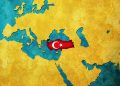
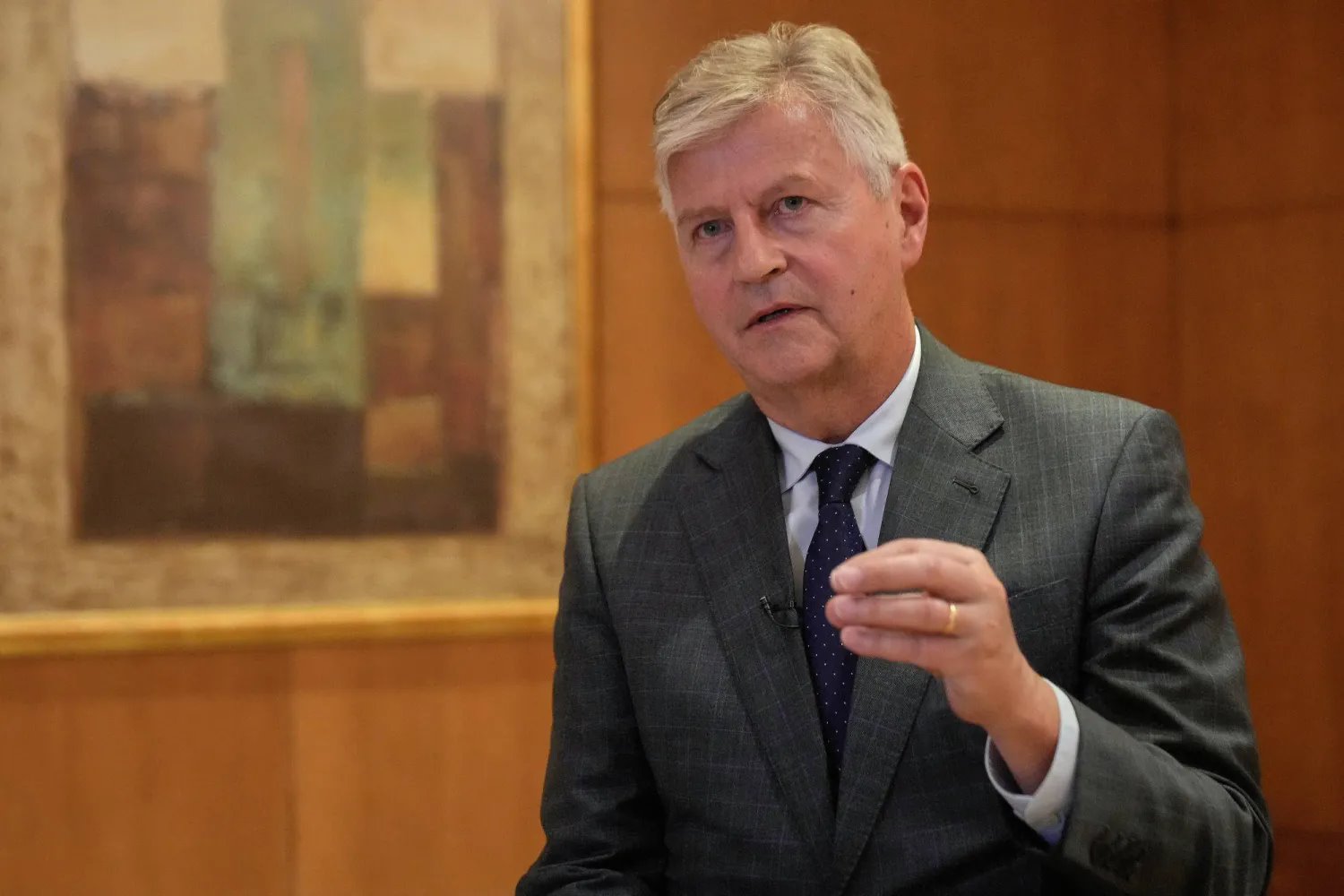
Jean-Pierre Lacroix, UN Under-Secretary-General for Peace Operations, referring to his visit to Turkey, stated that Turkey makes a significant contribution to UN peacekeeping operations and that cooperation with Turkey in the training of peacekeeping personnel should be strengthened.
Lacroix noted that after the end of the mandate of the UN Interim Force in Lebanon, the UN Secretariat presented proposals to the Security Council regarding the new form of the UN presence in that country. He added that these proposals were prepared following consultations with Lebanese authorities.
Regarding the continued UN presence in Lebanon, he said: “I believe that maintaining the UN presence in Lebanon is necessary, because Lebanon still needs international support.”
Referring to the importance of Turkey’s participation in peacekeeping operations, the UN Under-Secretary-General emphasized the need for member states with will and willingness to support political processes in situations such as tension between Iran and the US and the conflict between Ukraine and Russia.
Recalling his meetings with Turkish officials in Ankara in May, Lacroix stated that Turkey plays an important role not only in providing personnel but also in training peacekeeping personnel.
He said: “Turkey plays a very important role in helping train peacekeeping personnel. If we can take further steps in this area, we will certainly welcome strengthening our cooperation with Turkey.”
Lacroix also emphasized Turkey’s commitment to supporting peace efforts and said: “Conflicts in the Middle East have not only regional effects but also global consequences. I believe that the only way to successfully address today’s crises is to adopt a collective approach. Multilateralism remains very important, but for it to be effective, some member states must show strong will, commitment, and willingness to actively support peace efforts. Turkey is one of these countries.”
Pointing to the current conflicts being more complex than in the past, he stated that peacekeeping operations must be adapted to current conditions and that the UN must be prepared to create new operations that are fundamentally different from those formed in the past 50 to 60 years.
In this context, Lacroix considered the political will of member states to be the most important factor rather than drafting new models, and emphasized the importance of providing the necessary financial resources.
In conclusion, he stated that the UN system has been successful in the past in developing various types of peacekeeping operations and will have the necessary capacity to do so in the future.