Consultations between Iran and Turkey to expand environmental cooperation
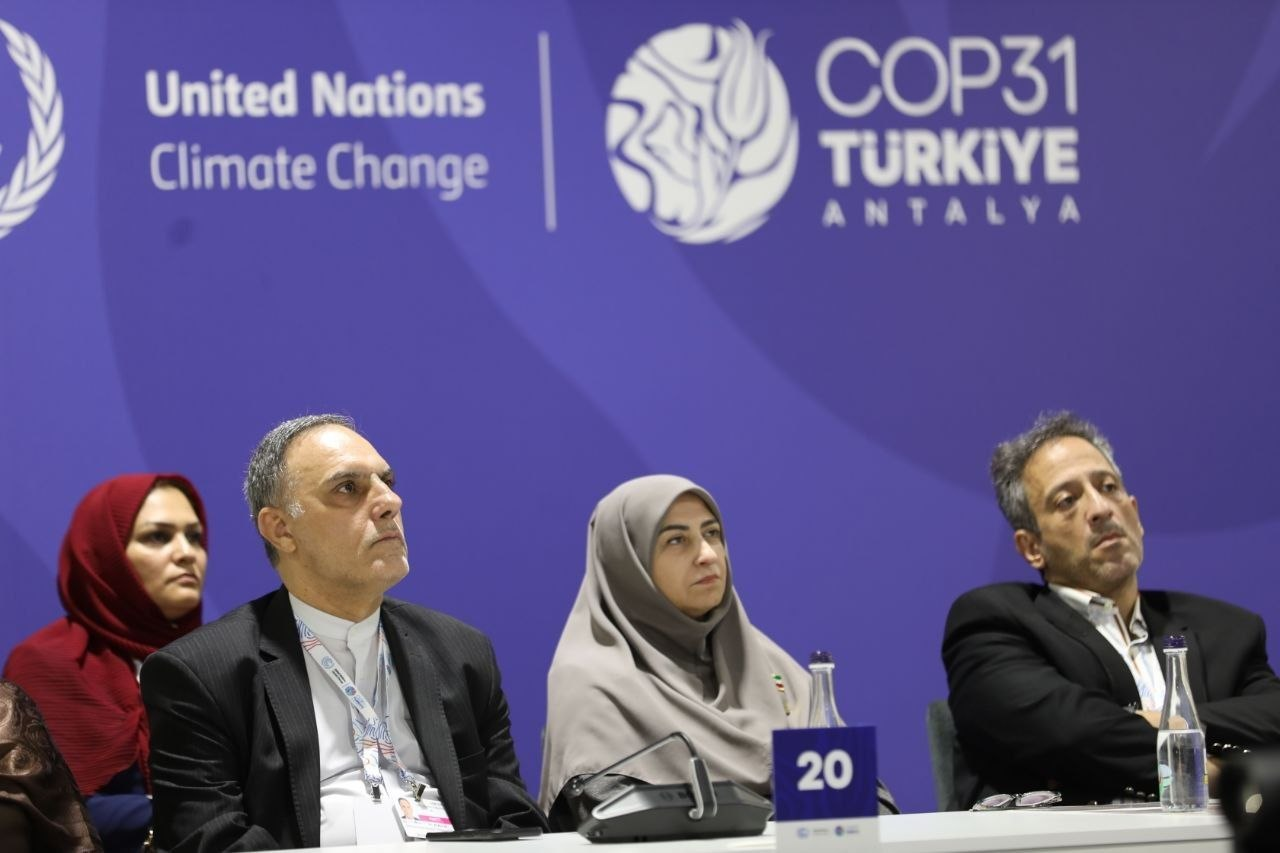
Shina Ansari, Vice President and Head of the Environmental Protection Organization of Iran, during the thirty-first session of the United Nations Climate Change Conference (COP31) in Antalya, Turkey, in meetings with Turkish and Iraqi officials and specialized sessions, raised issues such as the environmental consequences of war, waste management, just energy transition, environmental education, and the necessity of evidence-based policymaking.
In her meeting with Cevdet Yilmaz, Vice President of Turkey, Ansari expressed appreciation for the Turkish government’s position on the two imposed wars and pointed to the consequences of war on Iran’s environment, especially the explosion of fuel tanks and the release of pollutants and greenhouse gases, and considered the implementation of effective environmental programs dependent on regional security and stability.
Yilmaz, referring to the cultural commonalities of the two countries, announced Turkey’s readiness to strengthen environmental cooperation and emphasized the continuation of interactions in the protection of biological resources, habitats, and combating climate change.
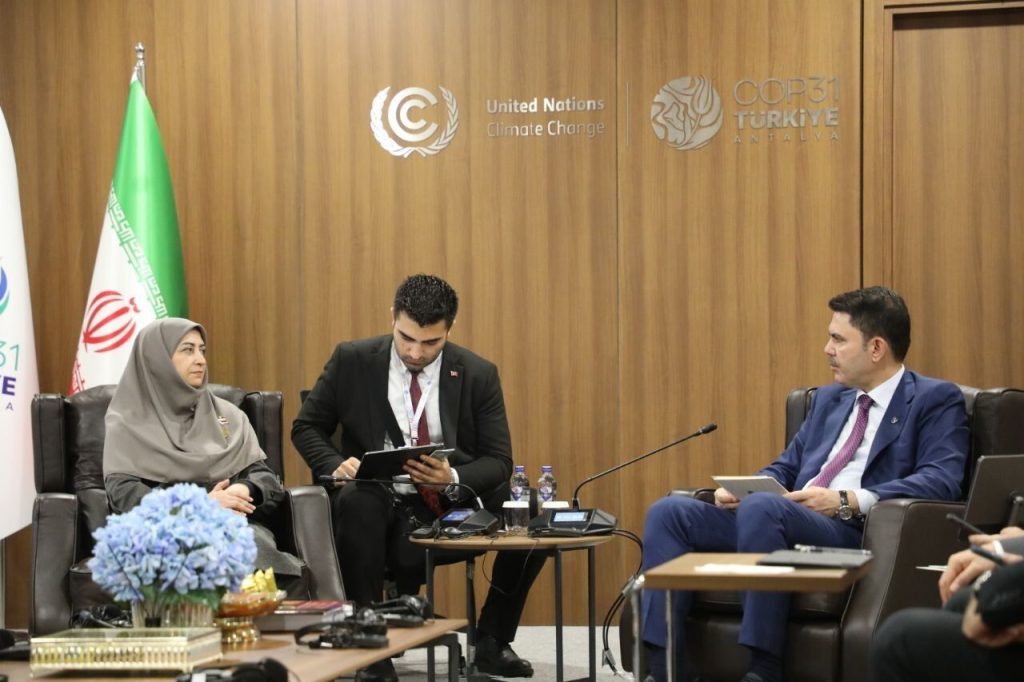
The Head of the Environmental Protection Organization also in a meeting with Murat Kurum, Minister of Environment, Urbanization and Climate Change of Turkey, emphasized the development of bilateral cooperation, acceleration of the implementation of joint agreements, and exchange of experiences in resilient cities and waste management.
Referring to the formation of the environmental cooperation committee of the two countries, she considered it necessary to appoint special representatives and accelerate the implementation of programs such as zero waste, and cited the attack on fuel tanks around Tehran as an example of ecocide.
Turkey’s Environment Minister also considered Iran a partner of his country in advancing the goals of COP31 and, emphasizing the need for developing countries to adopt common positions against developed countries’ non-compliance with climate commitments, announced Turkey’s readiness to expand cooperation with Iran in waste management, resilient cities, and reducing carbon footprint.
In Ansari’s meeting with Serva Abdulwahid, Iraq’s Environment Minister, the two sides emphasized the development of joint cooperation given the cultural commonalities and long borders of the two countries. They also invited each other for bilateral trips and visits to environmental capacities, and the Head of the Environmental Protection Organization invited the Iraqi minister to attend the summit commemorating World Wetlands Day in Bahman.
At the high-level ministerial meeting on exchange of experiences on the sidelines of the summit, Ansari considered the collection and analysis of quality data among the requirements of evidence-based policymaking and said: Challenges such as climate change, water resource scarcity, biodiversity loss, and land degradation make comprehensive decision-making based on reliable data necessary.
Referring to Iran’s programs to develop environmental education, she stated: These actions are pursued in three axes, including strengthening education in the formal system, developing informal education and social participation, and promoting education and capacity building in the field of climate change.
The Head of the Environmental Protection Organization, referring to the inclusion of environmental topics in textbooks and the presentation of the course Human and Environment in the twelfth grade, announced the implementation of the Environment Assistant plan with the participation of about six hundred thousand students.
Ansari considered the development of practical education in waste management, water conservation, and biodiversity protection necessary and emphasized: The success of climate and environmental education is achieved when we move from awareness to environmental literacy and from there to responsible action.
She also emphasized the formulation of common indicators, the creation of a monitoring and evaluation system for the effectiveness of educational programs, and the strengthening of cooperation among governments, universities, and international institutions, especially UNESCO.
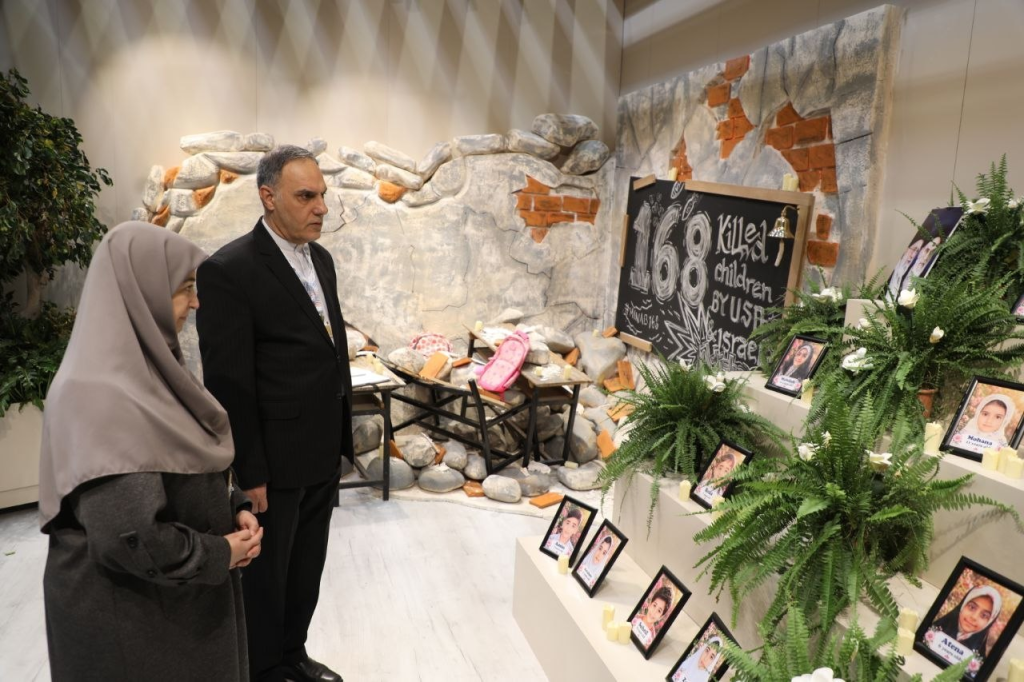
On the sidelines of the summit, Shina Ansari and Mohammad Hassan Habibollahzadeh, Ambassador of the Islamic Republic of Iran to Turkey, signed the memorial book of Iran’s pavilion. The Head of the Environmental Protection Organization also attended the high-level meeting Antalya Action Protocol: Children, Youth and Teachers at the Center of Greening Education, held with the cooperation of UNESCO, the COP31 Presidency, and the Turkish Ministry of National Education.