Minab Martyred Students’ Narrative Reflected at COP31
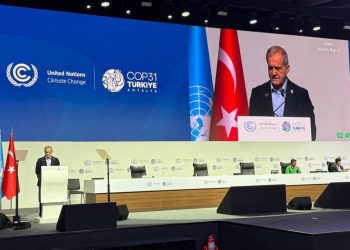
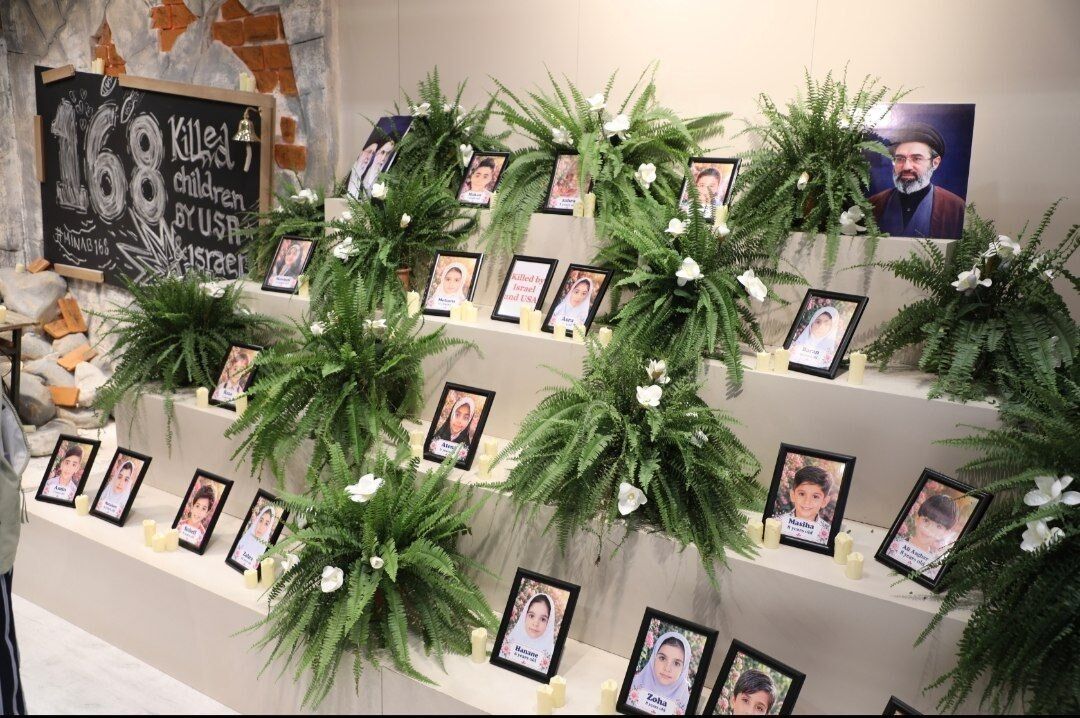
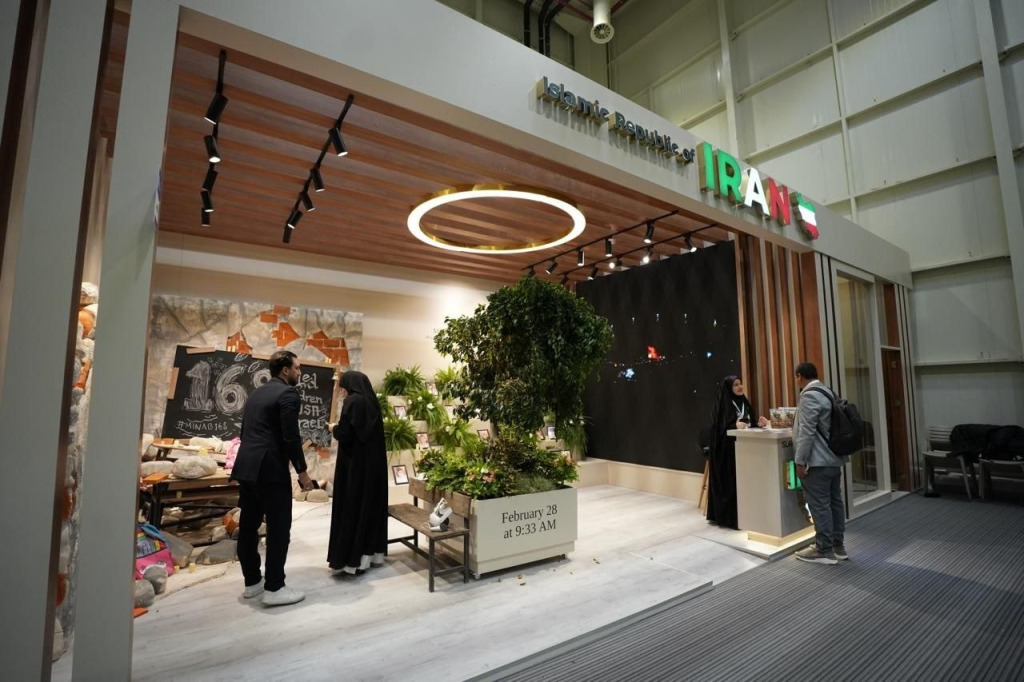
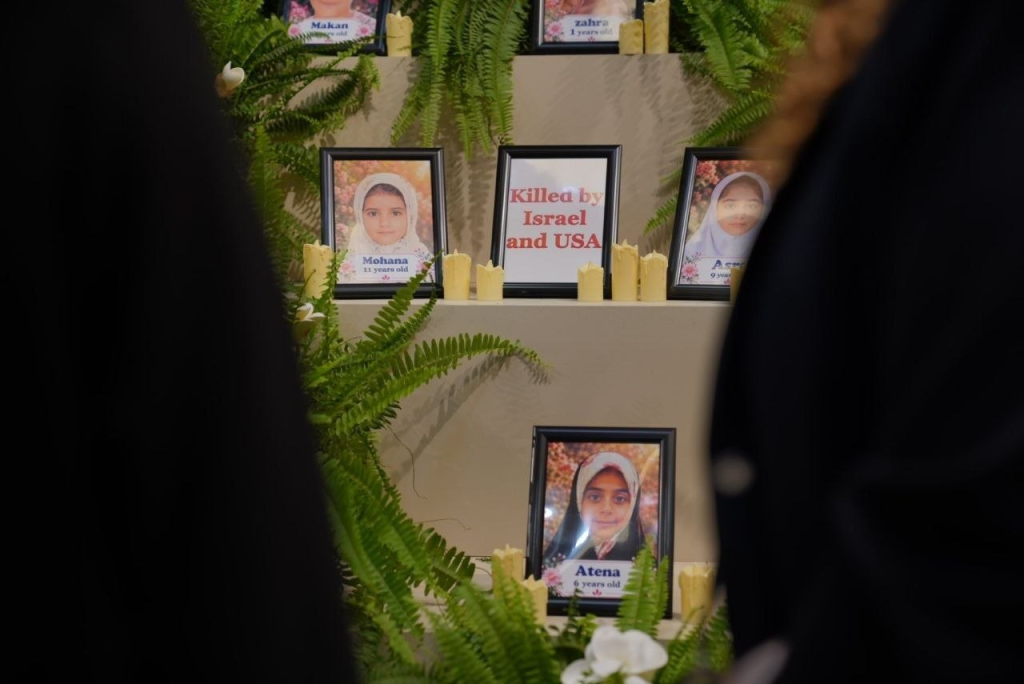
The pavilion of the Islamic Republic of Iran at the 31st Global Climate Change Conference (COP31) in Antalya, Turkey, by displaying images of 168 martyred students from Minab and symbolically reconstructing the damaged school environment, has drawn the attention of visitors and international media to the human and environmental consequences of war.
Iran’s pavilion at COP31, in addition to introducing issues related to the environment and climate change, has been dedicated to narrating the Minab school incident and the human consequences of war; a narrative that, by displaying images of the martyred students, symbolically reconstructing a classroom, and exhibiting items remaining from the school, seeks to bring the human and social dimensions of this incident before international audiences.
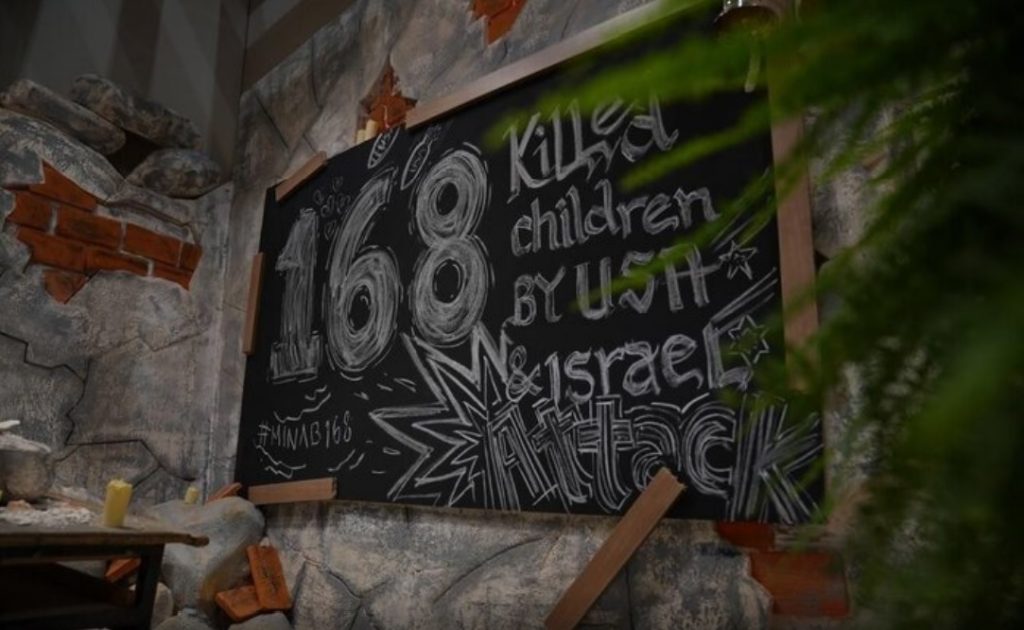
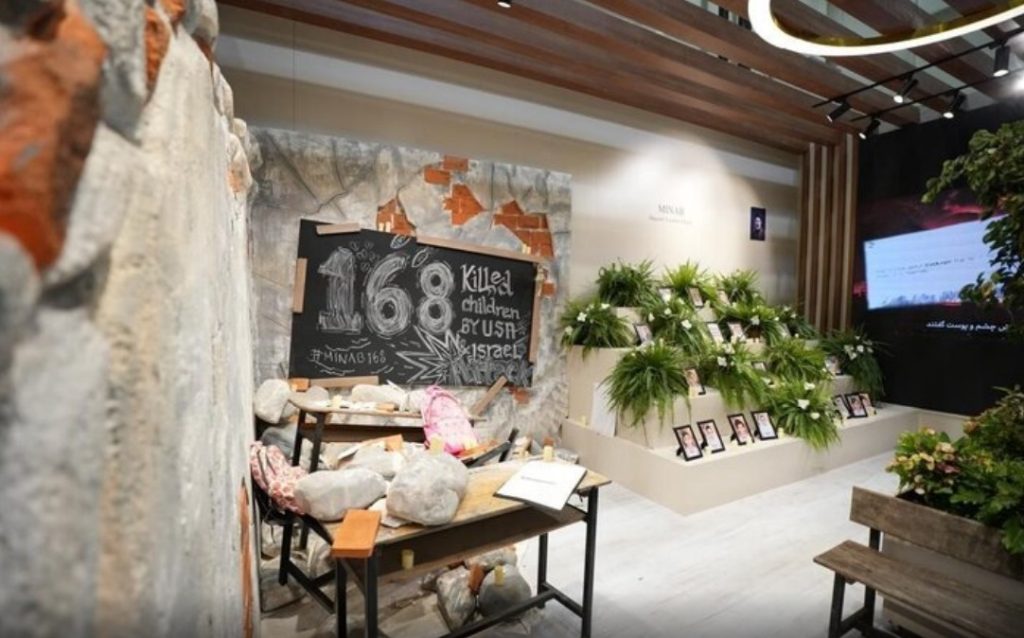
This pavilion is located in the first row of the exhibition hall and, with an atmosphere different from other national pavilions, has attracted visitors’ attention. Images of the students, school bags, desks, a collapsed wall, and a blackboard bearing the number 168 form the main parts of this visual narrative.
In one section of the pavilion, the environment of a damaged classroom has been symbolically reconstructed. Wall remnants, students’ bags, school supplies, and desks have been placed next to the blackboard to represent the environment of the Minab school and the consequences of the incident for visitors.
Foreign Visitors’ Reaction to Iran’s Pavilion
The display of images of the martyred students from Minab has been accompanied by reactions from visitors from different countries. A visitor from Italy, expressing amazement at the content of Iran’s pavilion, said that among the various programs and solutions presented at the climate summit, encountering images of children and the narrative of the Minab school was very moving for her.
A visitor from Turkey also, while visiting Iran’s pavilion, expressed satisfaction with his visit and supported Iran’s efforts to confront challenges.
Also, a Pakistani visitor, referring to the reconstruction of the Minab school environment, described these scenes as very sad and said that seeing the images revived for him the memories and sorrow caused by hearing the news of this incident.
Emphasizing that children should not be targets of military attacks, he added: The suffering of families who have lost their children in war is understandable, and the damage caused by military conflicts can affect the lives of survivors for years.
This visitor, who is himself a physiotherapist, referring to his experience of working with victims in war zones, mentioned severe injuries, burns, and amputation as part of the lasting consequences of war and emphasized that children in different countries, including Iran, Yemen, Palestine, and Syria, are among the vulnerable victims of military conflicts.
Media Reflection of Iran’s Pavilion
The narrative presented at Iran’s pavilion, in addition to visitors, has also attracted the attention of international media.
Bloomberg News agency, in a report on November 10, 2026, titled “Iran Uses Global Climate Talks to Highlight Consequences of School Attack,” addressed various sections of Iran’s pavilion. This report referred to the display of images of the martyred students from Minab, the reconstruction of the classroom environment, the school bags and desks, and also the virtual reality experience and four-minute film of the pavilion.
The Bangladeshi website Prothom Alo, in a report on November 13, 2026, described the atmosphere of Iran’s pavilion and introduced images of children, classroom remnants, a burned bag, a doll hanging from a school bag, and the blackboard as notable parts of this exhibition.
The Indian newspaper The Economic Times, by republishing Bloomberg’s report, also addressed the different approach of Iran’s pavilion among national pavilions and its focus on the consequences of the Minab school incident.
Linking the Consequences of War with Environmental Issues
Alongside the images and symbolic reconstruction of the classroom, the virtual reality experience and the showing of a four-minute film are other sections of Iran’s pavilion, presented with the aim of familiarizing visitors more with the dimensions of the Minab school incident.
The presence of this narrative at one of the important international events in the field of climate has been accompanied by raising the issue of ecocide and the environmental consequences of war. Destruction of infrastructure, damage to the environment, loss of natural resources, and the human consequences of military conflicts are among the issues whose effects can continue for years and even future generations.
Accordingly, Iran’s pavilion has sought, by linking the issue of war, human security, and the environment, to draw the attention of international audiences to the broader dimensions of crises caused by military conflicts.
Among the various sections of the pavilion, the blackboard on which the number 168 is written has become one of the main symbols of Iran’s narrative; a number that recalls students who will no longer have the opportunity to return to the classroom and continue their education.