Analysis of Turkey’s Cultural Structure Between 2024-2025
According to the latest available data, Turkey’s cultural structure between 2024 and 2025 presents a complex and multifaceted picture, where tradition and modernity, Eastern and Western influences, and socio-political tensions are deeply intertwined. Below is a comprehensive analysis.
Continuity of Traditional Values Alongside Modern Shifts
Importance of Family and Community: Strong family bonds and a sense of community remain defining features of Turkish culture. Frequent family gatherings and respect for elders continue to hold significant value.
Hospitality: Traditional Turkish hospitality remains vibrant, with visitors often welcomed warmly and treated generously. Offering tea and food is a hallmark of this hospitality.
Influence of Islam: Although Turkey is a secular country, Islam still profoundly influences various aspects of social life, gender relations, and family dynamics. Religious holidays such as Ramadan and Eid al-Fitr are celebrated with great enthusiasm.
Preservation of Customs: In rural areas, women’s traditional attire and certain local customs are still maintained.
Effects of Modernization and Westernization
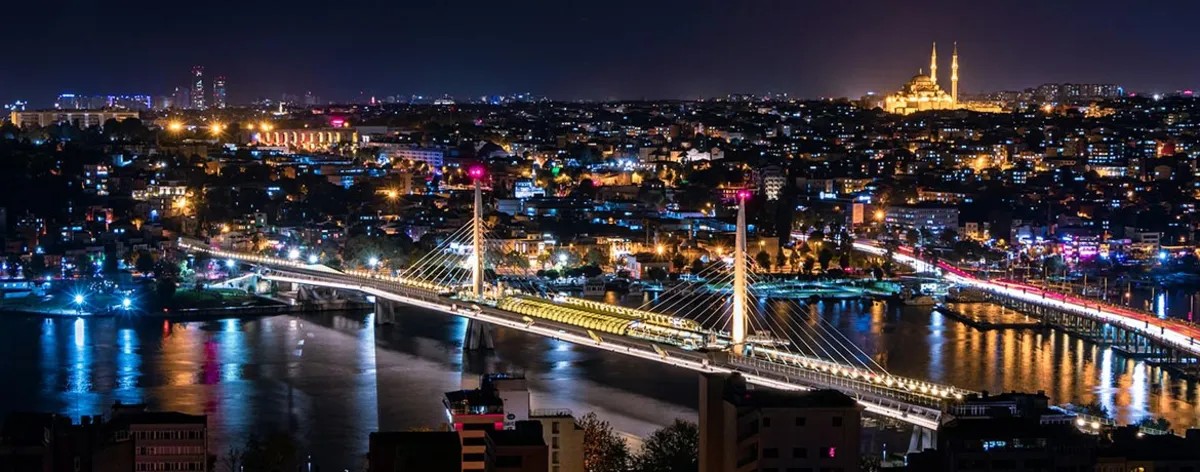
Changing Lifestyles: Particularly in major cities, lifestyles are shifting toward modernity and Western norms. These changes are evident in fashion, entertainment, and social interactions.
Contemporary Art and Culture: Turkey boasts a dynamic and growing arts and cultural scene. Cinema, music (ranging from traditional to pop and hip-hop), visual arts, and theater continue to evolve, attracting younger audiences. Street art has also gained popularity in cities like Istanbul.
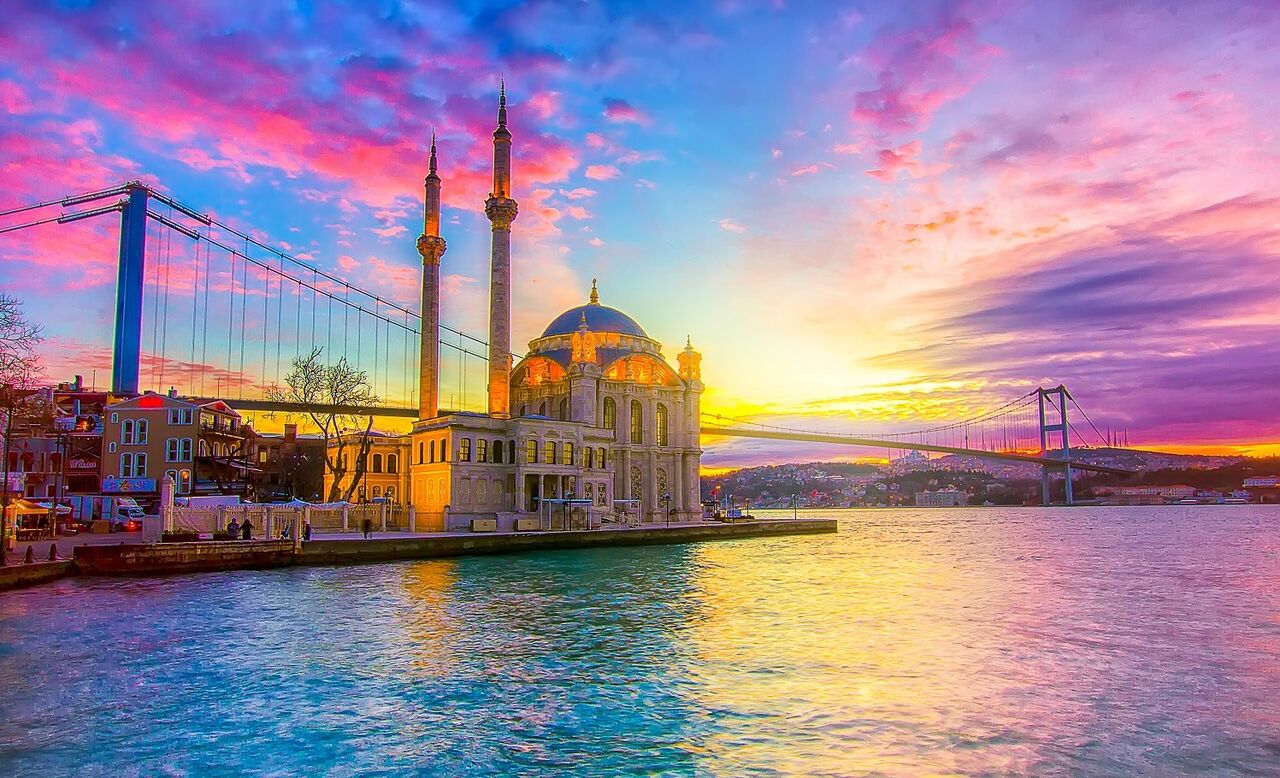
Efforts to Preserve Cultural Heritage: Alongside modernization, efforts to protect and revive Turkey’s cultural and historical heritage persist. The restoration of historical artifacts and the conversion of ancient buildings into cultural centers are part of these initiatives.
Cultural and Social Tensions
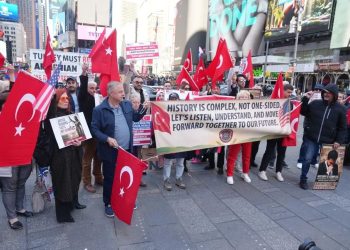
Social and Political Polarization: Recent political developments have intensified polarization in Turkish society, influencing cultural attitudes and behaviors.
Issues of Women’s and Minority Rights: Matters concerning women’s rights and the rights of ethnic and religious minorities remain key topics of debate in Turkish society. Barriers to political participation for women and LGBT+ individuals persist.
Restrictions on Freedom of Expression: Reports indicate limitations on freedom of speech and the press in Turkey, which may impact the cultural environment and the free exchange of ideas.
Attitudes Toward Refugees: Given that Turkey hosts the world’s largest refugee population, public attitudes toward Syrian and other refugees are evolving, sometimes leading to discontent.
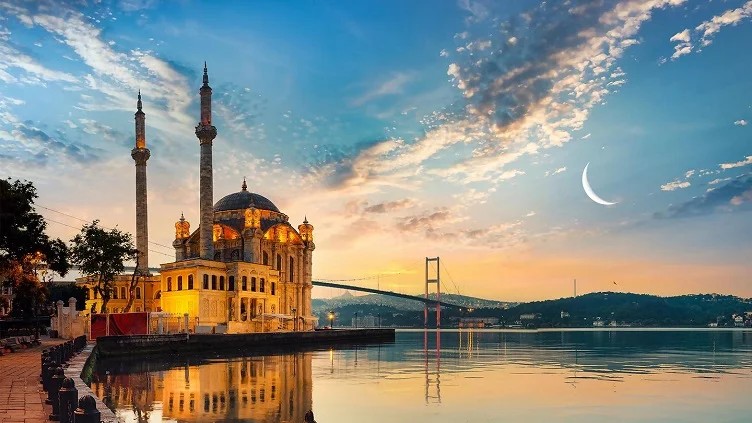
Prominent Cultural Events
Festivals and Artistic Events: Turkey hosts numerous festivals and cultural events throughout the year, showcasing its artistic diversity.
Nowruz: Celebrated as the Kurdish New Year on March 21, Nowruz is particularly observed in Kurdish-majority regions with large bonfires and has become a symbol of Kurdish identity.
Impact of Political Developments on Culture
Efforts to Establish Cultural Hegemony: Some analyses suggest that the ruling government is attempting to reshape collective memory and promote its ideology through media, education, and public spaces.
Impact of the 2024 Local Elections: The opposition’s victory in major cities during the March 2024 local elections may signal shifting political and social attitudes, potentially influencing the cultural landscape.
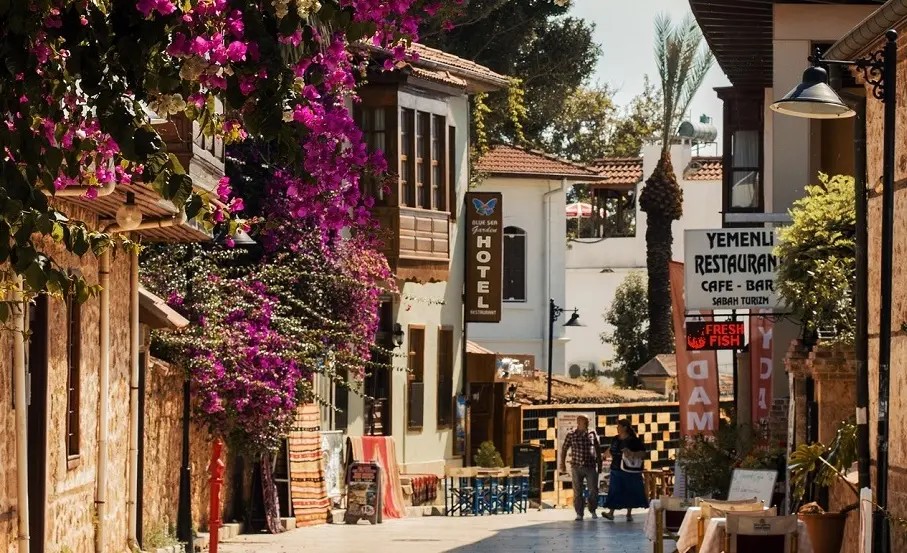
Between 2024 and 2025, Turkey’s cultural environment is undergoing a dynamic and challenging period. While traditional values remain significant, the effects of modernization and globalization are increasingly visible. Social and political tensions, particularly polarization and issues related to rights and freedoms, cast a shadow over the cultural sphere. Nevertheless, the arts and cultural scene remain vibrant and evolving, and efforts to preserve cultural heritage continue. Recent political developments may play a crucial role in shaping Turkey’s future cultural outlook.