First Stage of Ceasefire Agreement Implemented
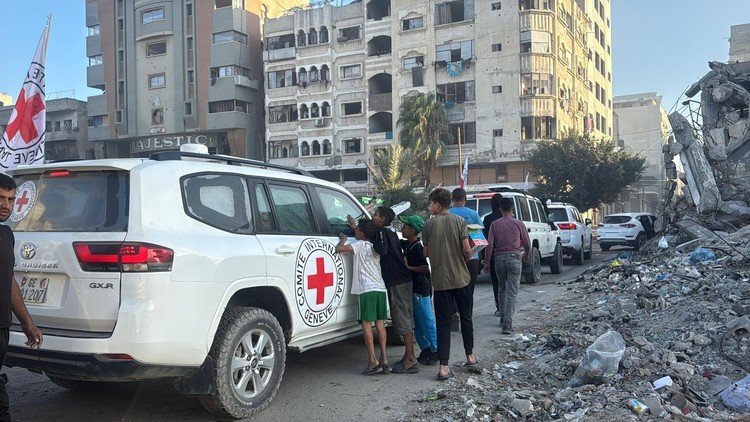
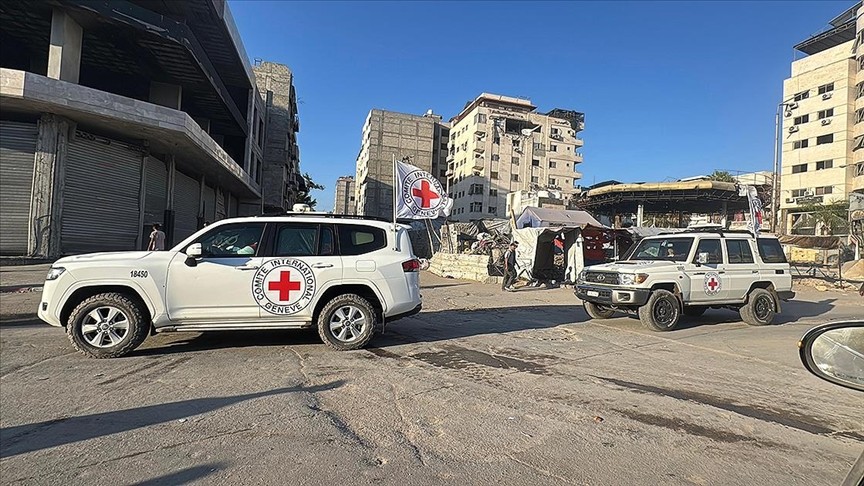
In the first stage of the ceasefire agreement in Gaza, Hamas handed over 20 Israeli captives to the International Committee of the Red Cross, while Israel released 88 Palestinian prisoners sentenced to life imprisonment from Ofer Prison.
According to Israeli media, the handover of Israeli captives took place in Khan Younis. The Israeli army announced that these individuals would undergo medical examinations after crossing the border. Hamas had allowed them to make phone calls to their families before release — a measure taken for the first time in prisoner exchange agreements between the two sides.
In return, 88 Palestinians sentenced to life imprisonment were released from Ofer Prison in the West Bank. Thousands gathered to welcome them, and the Palestinian Red Crescent dispatched a medical team to transfer one ill prisoner. At the same time, Israeli forces attacked the crowd near the prison, using tear gas, stun grenades, and drones to disperse them, injuring a young Palestinian.
The Izz al-Din al-Qassam Brigades said in a statement that the ceasefire and prisoner exchange were “the result of the Palestinian people’s resistance,” stressing that the process would continue as long as Israel adhered to the agreement.
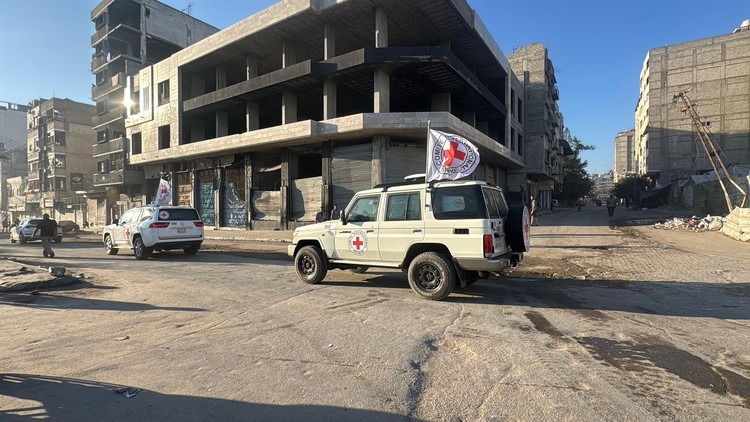
The United Nations Office for the Coordination of Humanitarian Affairs (OCHA) reported an increase in aid deliveries to Gaza following the start of the ceasefire, noting that for the first time since March, cooking gas cylinders had entered the territory. According to the agency, permits were issued for the distribution of 190 tons of food, medicine, and tents, and plans are underway to expand aid during the first 60 days of the ceasefire.
The Gaza government reported that on October 12 alone, 173 trucks carrying humanitarian aid entered the territory, including shipments of fuel and gas. However, the statement emphasized that the volume of aid was far below the needs of Gaza’s 2.4 million residents.
The European Union also expressed support for the agreement. EU foreign policy chief Kaja Kallas described the release of Israeli captives as “an important turning point” and said the EU Border Assistance Mission (EUBAM) would resume its duties at the Rafah crossing from October 15.
The agreement was reached during negotiations in Egypt and came into effect on October 10 with the approval of the Israeli government. According to published figures, from the start of Israeli attacks on Gaza on October 8, 2023, until the ceasefire took effect, more than 67,000 people were killed and 17,000 injured.