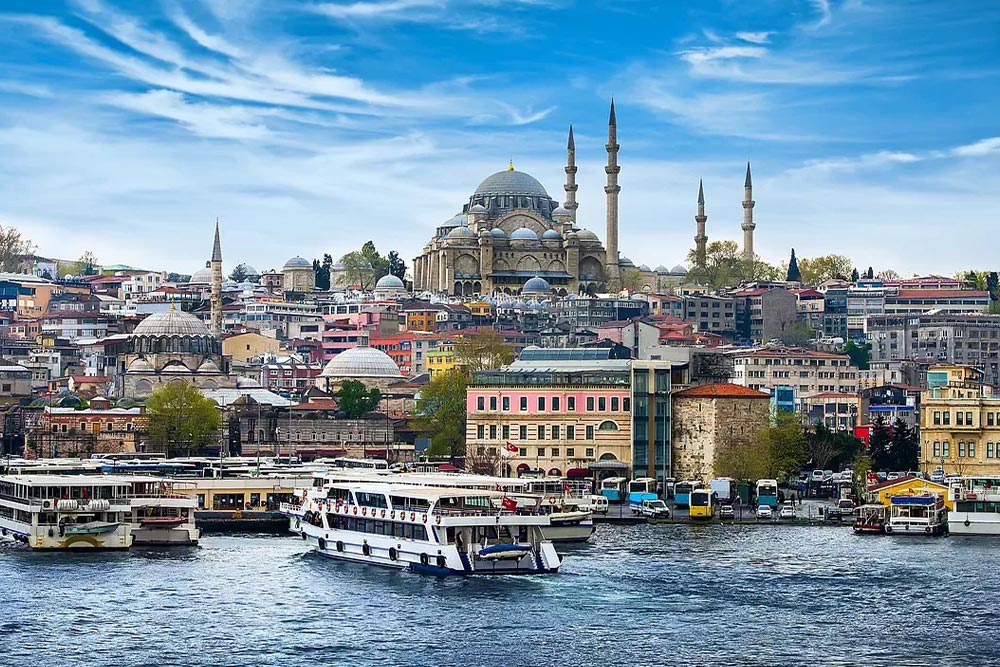
572 Years Since the Conquest of Istanbul: A Look at the Event That Changed History
Istanbul, a city with an 8,000-year history that once served as the capital of the Roman, Byzantine, and Ottoman Empires, today marks the 572nd anniversary of its conquest by the Ottomans. Known in the past by names such as Constantinople and Byzantium, the city fell on May 29, 1453, after a 53-day siege led by Sultan Mehmed II.
Historical Background and Global Significance
Archaeological excavations in Yenikapı reveal that Istanbul has been inhabited since around 6000 BCE. In the 4th century CE, Emperor Constantine the Great designated the city as the new capital of the Roman Empire, transforming it into the center of Orthodox Christianity. Its strategic location made Istanbul a crossroads of Eastern and Western civilizations.
The Conquest of 1453
Before the attack, Sultan Mehmed II cut off the city’s supply routes by constructing the Rumeli Fortress on the European side of the Bosphorus. He commissioned massive cannons to breach Constantinople’s formidable walls. In April 1453, Ottoman forces launched a combined land and naval siege. When defensive chains across the Golden Horn blocked the Ottoman fleet’s advance, the Sultan ordered 72 ships to be transported overland behind enemy lines. This unexpected maneuver shifted the balance in favor of the Ottomans.
The End of the Siege
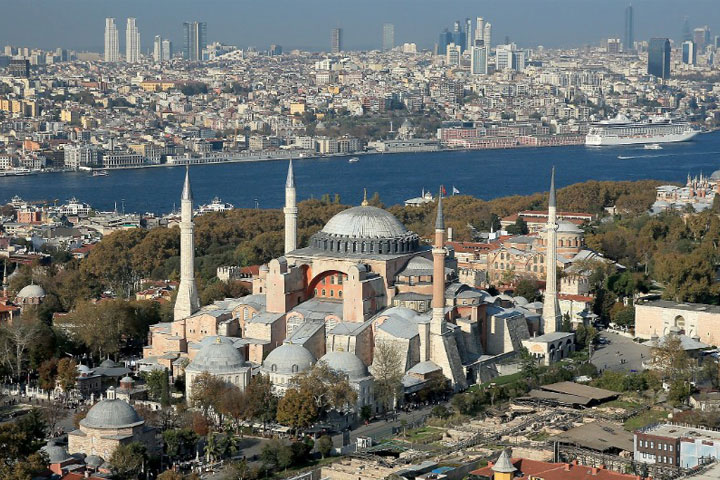
After the Byzantine Emperor rejected the final peace offer, the decisive assault began at dawn on May 29. Ottoman troops breached the walls at multiple points. Following the city’s fall, Sultan Mehmed II issued a decree prohibiting looting, preventing widespread destruction. He converted the Hagia Sophia into a mosque and earned the title “Fatih” (the Conqueror).
Historical Consequences
This event not only ended the thousand-year-old Byzantine Empire but also cemented the Ottoman Empire as a global power. For four centuries afterward, Istanbul remained the Ottoman capital, becoming a hub of cultural exchange between East and West.