6.3 Magnitude Earthquake in Northern Afghanistan Leaves Dozens Dead and Injured
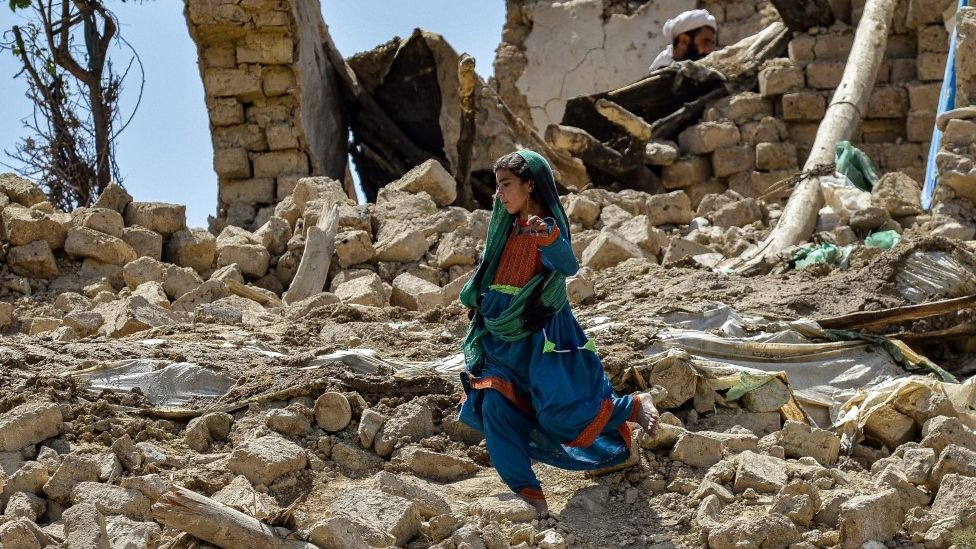
At least 19 people were killed and 143 others injured after a 6.3 magnitude earthquake struck Samangan Province in northern Afghanistan, according to the Afghanistan National Disaster Management Authority.
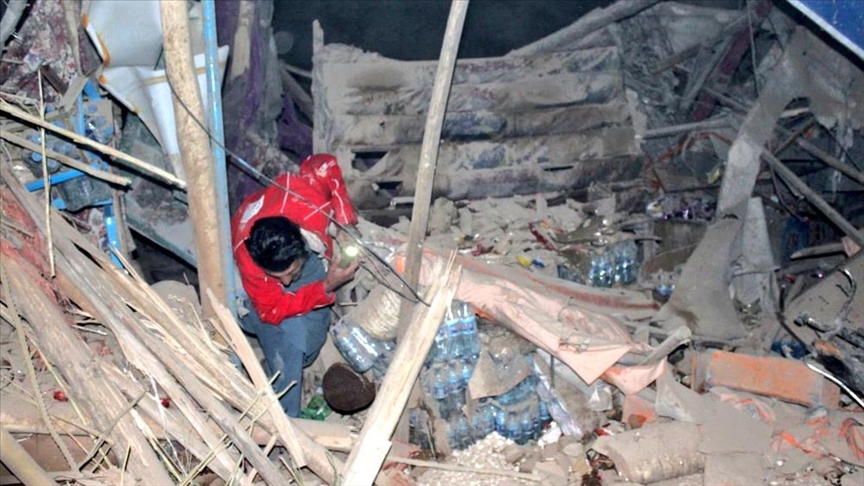
The United States Geological Survey (USGS) reported that the earthquake occurred at a depth of 10 kilometers in the Khulm district of Balkh Province. The tremor, which struck early Monday morning, shook parts of Samangan and Balkh and caused extensive material damage.
Initial reports indicate that the death toll has risen to 27, with 730 people injured. Balkh and Samangan were the hardest-hit provinces, with reports of destroyed homes, damaged infrastructure, and harm to parts of the Rawza of Mazar-i-Sharif.
The recent earthquake also disrupted imported electricity from Tajikistan and Uzbekistan, affecting daily life in Kabul and eight other provinces. The Breshna Power Company announced that power lines from Tajikistan had been restored, while efforts to reconnect lines from Uzbekistan were ongoing. A landslide in the Tashkurgan Pass blocked the Kabul–Mazar-i-Sharif highway, though the Taliban’s Ministry of Defense later reported that the route had been reopened.
The disaster prompted widespread reactions from domestic and international organizations. Nasir Ahmad Faiq, Afghanistan’s representative to the United Nations, called for urgent assistance. The United Nations dispatched teams to assess needs, while countries such as Iran and India expressed readiness to send humanitarian aid. The Organization of Islamic Cooperation also urged its member states to provide immediate support.
Political and social figures, including former Afghan President Ashraf Ghani and former Balkh Governor Ata Mohammad Noor, also appealed for aid to the earthquake victims. Ashraf Ghani accused the United Nations of lacking transparency in the aid process, while Ata Mohammad Noor called on UNESCO and other cultural organizations to help restore the Rawza of Mazar-i-Sharif.
The World Health Organization announced that medical teams and essential supplies had been deployed to the affected areas. The shortage of healthcare facilities and treatment capacity in these regions has raised concerns about the possible spread of diseases.