Criticism by Parties of Submitting the Mecca Agreement to Turkeys Parliament
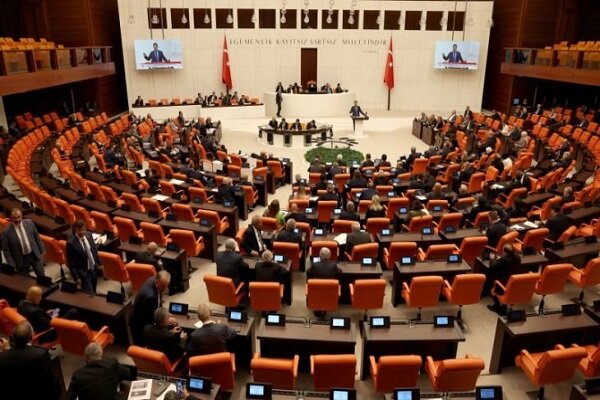
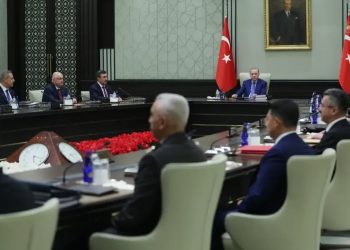
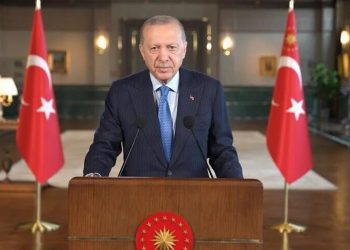
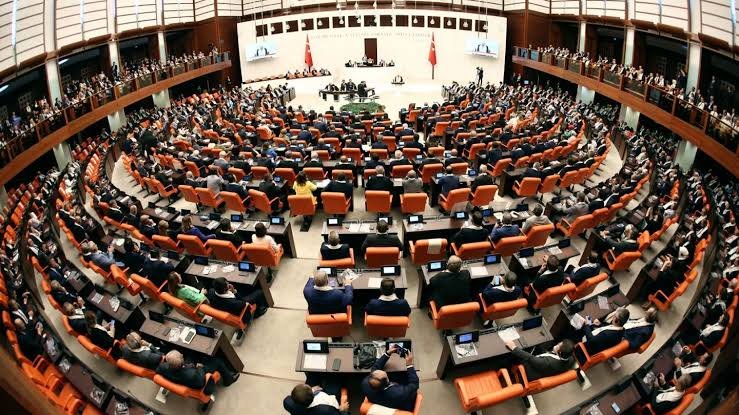
Recep Tayyip Erdoğan, President of Turkey, has announced two months after signing the Mecca Agreement that this agreement will be submitted to his country’s parliament for voting. This decision was made while a number of members of the Turkish parliament have declared their opposition to the provisions of this agreement.
Reports indicate that Erdoğan’s decision to win parliament’s approval and secure endorsement of the Mecca Agreement was taken under the influence of domestic criticism, public concern about Ankara’s involvement in the Yemen war, and doubts raised about the goals of this pact.
Hakan Fidan, Turkey’s Minister of Foreign Affairs, has emphasized that his country will not send forces to Saudi Arabia to attack any country.
Given the votes of groups allied with Erdoğan in parliament, the agreement is expected to be approved in parliament.
İskender Bayhan, the left-wing vice president of the Labor Party, criticized the government’s approach. According to him, the government is acting as if the agreement has been approved in parliament. He considered the result of this to be the shedding of soldiers’ blood for the interests of imperialists, domestic capitalists, and the White House, and said that such a thing should not be allowed to happen. He described the Mecca coalition as part of a plan that, in his belief, is imperialist and aimed at re-dividing the region. He considered Ankara’s goal in this pact to be gaining profit from arms sales and receiving financial aid from Saudi Arabia.
One political activist and member of the Democratic Party called Fidan’s remarks about the Mecca coalition being defensive and non-aggressive misleading and contradictory, and said that these remarks do not provide a clear answer to the question of how defense is guaranteed without an explicit response to attacks. Pointing to the duplicity of the Justice and Development Party, he considered its previous support for armed opposition groups in Syria to be in conflict with the party’s current desire to defend the established government in Saudi Arabia, which is under the protection of the U.S. and Israel, and also in conflict with Turkey’s interests. He also criticized Turkey and Pakistan’s decision to provide immediate aid to Saudi Arabia without ensuring that the text of the agreement is specified, and referring to an article similar to NATO’s Article 5, asked: If there is a clause that does not endanger the lives of Turkish soldiers, why is the text not published? And he warned that sending Turkish military personnel to Saudi Arabia would make them targets of Yemeni attacks and put relations with Iran at risk.
Fatih Erbakan, leader of Turkey’s New Welfare Party, also said in this regard: The goal of this agreement is to fight Israel’s enemies, and Turkey cannot be Israel’s shield. According to him, member countries of the Mecca coalition should prepare their forces to defend Gaza, not to defend Saudi Arabia.
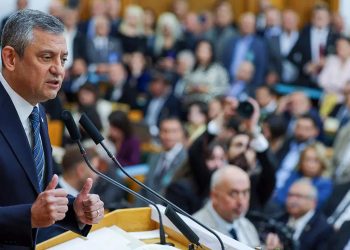
İlhan Uzgel, foreign relations coordinator in the main opposition party, the new party led by Özgür Özel, has stated that the government has chosen war instead of peace and that national interests are no longer a criterion in foreign policy. Recalling Erdoğan’s previous policies, Uzgel referred to his remarks in 2019, when he said Saudi Arabia should look in the mirror and see who brought Yemen to this situation. He emphasized that any agreement containing a clause to the effect that an attack on one party is an attack on all means entering war. According to him, the Justice and Development Party government has accepted being part of Donald Trump’s system in the Middle East.