Probability of the disarmament process halting in the event of a negative security report
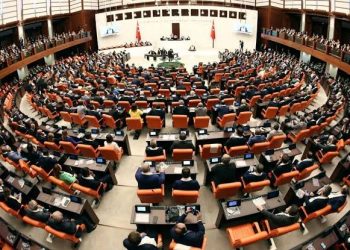
The disarmament law discussed in the TBMM’s National Solidarity, Brotherhood and Democracy Commission passed Parliament on 10 August and was published in the Official Gazette on 18 August. Under Article 3 of this law, the implementation of its provisions depends on two conditions: first, Turkey’s security institutions must determine that the PKK no longer has a de facto existence and has handed over all weapons and ammunition under its control; second, the Turkish National Security Council’s (MGK) decision approving this determination must be published in the Official Gazette.
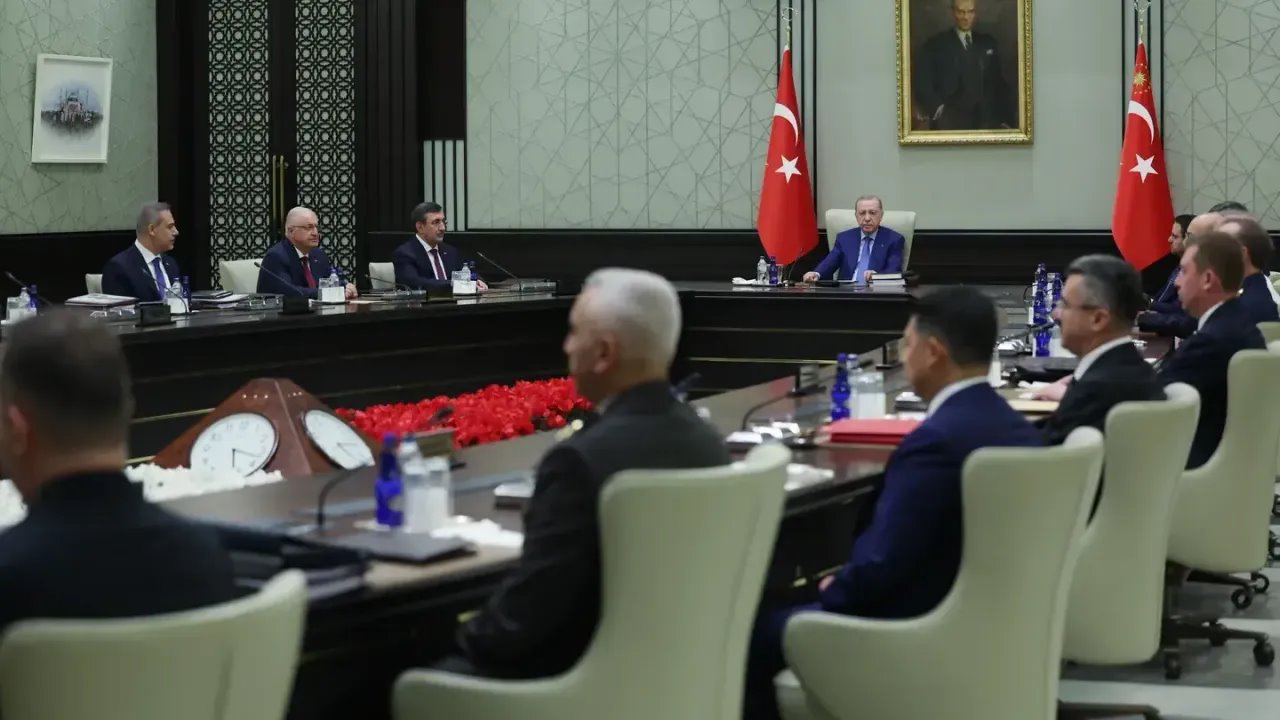
The Turkish National Security Council held a meeting chaired by Recep Tayyip Erdoğan on 30 September and afterwards published an eight-point statement. The statement did not mention the said decision approving the end of the organization’s de facto existence and the handover of weapons. Chief Presidential Adviser Mehmet Uçum had earlier said that the National Security Council decision might be announced before the end of the year and that the disarmament law could reach the implementation stage in the first half of 2027.
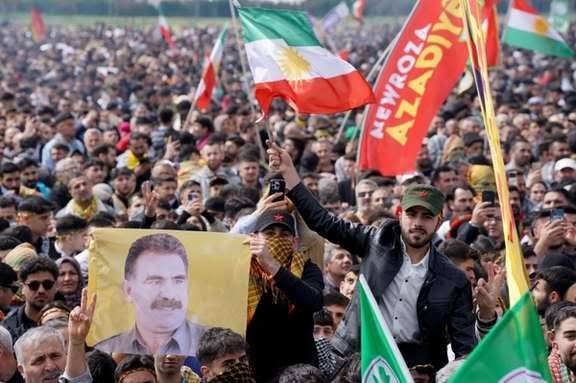
Bese Hozat, an official of the Kurdistan Communities Union (KCK), said in remarks that handing over weapons to the government was not necessary and that these weapons could be used in other areas for “legitimate defense.” She claimed that there were no members of the organization inside Turkey’s borders or in areas near the borders. Hozat also called for Abdullah Öcalan to benefit from the disarmament law, for his release, and for granting him the right to hope.
Sources from Turkey’s Justice and Development Party (AKP) said that Hozat’s remarks could create a public reaction and cause problems regarding the handover of weapons. According to these sources, the entry into force of the disarmament law consists of two separate stages beginning with its implementation, and the implementation of the law depends on the conditions stipulated in it. They added that the assessment of the Turkish National Intelligence Organization (MİT) and the National Security Council’s report on this matter are important; if the report is negative, implementation of the law may not begin and the process may halt.
According to party sources, the passage of the law does not mean that subsequent steps will be taken under all circumstances, and the progress of the process depends on the security institutions’ assessment of the situation on the ground. These sources also said that remarks concerning Öcalan’s release have not been accepted in the AKP, and that the party’s assessments emphasize preventing the impression that “the government has retreated.”
In AKP circles, it is also said that Erdoğan has some dissatisfaction regarding the process and that some demands of the Peoples’ Equality and Democracy Party (DEM Party) are assessed within the party as “demands whose acceptance is impossible.” According to these circles, if a deadlock arises, responsibility will be sought in the stance of the other side.