Turkey and the Challenge of Maintaining Balance in the Syria Crisis
In recent weeks, the Israeli regime has intensified its airstrikes on several areas in Syria, including Damascus and Suwayda. These attacks, which have targeted military and government facilities, have drawn varied reactions from regional actors. Amid these developments, Turkey has clarified its stance on the situation in Syria through official statements.
Yesterday, the Turkish Ministry of Defense announced in a statement that the Syrian government has formally requested military and training assistance from Ankara to counter terrorist groups. According to the statement, Turkey will continue to provide training and advisory support to Syrian forces within the framework of defense cooperation. However, independent sources have yet to verify this claim.
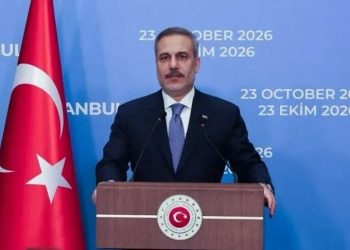
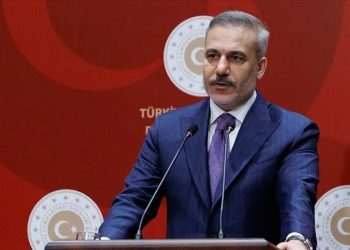
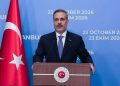
In a separate statement, Turkish Foreign Minister Hakan Fidan warned that any attempt to partition Syria would face a strong response from Ankara. Without directly naming the Israeli regime, he criticized “certain foreign actors” for exacerbating instability in the region. Analysts believe these remarks were prompted by recent movements in Kurdish-held areas of northern Syria, as well as Israel’s attacks on southern Syria.
Meanwhile, media outlets close to the Turkish government have reported that the country’s intelligence service has thwarted several assassination attempts against Ahmed al-Sheraa, the interim president of Syria, in recent months. These reports, which lack independent confirmation, suggest an expanded presence of Turkish security forces on Syrian soil.
Regional experts argue that Turkey is currently seeking to consolidate its position in northern Syria while preventing rival actors from expanding their influence. However, Ankara has so far avoided direct confrontation with the Israeli regime, relying instead on diplomacy and political warnings. Future developments in Syria and the positions of regional powers are expected to become clearer in the coming weeks.