Economic Growth: Gradual Recovery Driven by Exports and Investment
Various reports estimate Turkey’s economic growth in 2025 to range between 2.7% and 3.5%. The International Monetary Fund (IMF) predicts 2.7%, the European Bank for Reconstruction and Development (EBRD) forecasts 3%, and BBVA Research projects 3.5%. This growth is primarily attributed to stronger exports, rising tourism revenues, and foreign investments.
Inflation and Monetary Policy: Slow but Steady Decline
After peaking in recent years, inflation in Turkey is on a downward trend. The IMF predicts an inflation rate of 35.9% for 2025. The Central Bank of Turkey is maintaining high interest rates and tight monetary policies to curb inflation. However, political events—such as the detention of Istanbul’s mayor in March 2025—triggered market volatility and exchange rate fluctuations, highlighting the market’s sensitivity to political developments.
Energy and Economic Security: New Discoveries and Reduced Dependence
In May 2025, Turkey discovered a new natural gas reserve in the Black Sea, estimated at 75 billion cubic meters. Valued at $30 billion, this find could meet Turkey’s household gas demand for 3.5 years, reducing reliance on energy imports. This aligns with Turkey’s efforts to enhance energy security and lower import costs.
Foreign Investment: Rising Confidence Amid Political Risks
Since adopting more conventional economic policies in 2023, Turkey has seen increased foreign investment. In 2025, foreign inflows into local government bonds rose, with foreign investors holding over 10% of Turkey’s sovereign debt. However, concerns about political stability and judicial independence continue to deter long-term investments.
Structural Challenges: Youth Unemployment and Brain Drain
Despite modest economic improvements, Turkey faces structural issues like youth unemployment and skilled emigration. Political restrictions, lack of transparency, and limited job opportunities drive professionals in tech, healthcare, and education to leave. Addressing this requires governance reforms and investment in innovative industries.
Future Outlook: Opportunities and Risks
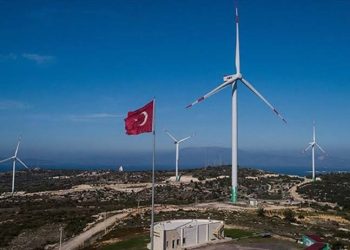
Turkey’s strategic location, young workforce, and renewable energy investments offer high growth potential. However, realizing this depends on managing inflation, ensuring political stability, improving foreign relations, and implementing structural reforms. Success in these areas could set Turkey on a path toward sustainable development.