Head of World Energy Agency: Energy Architecture Is Changing
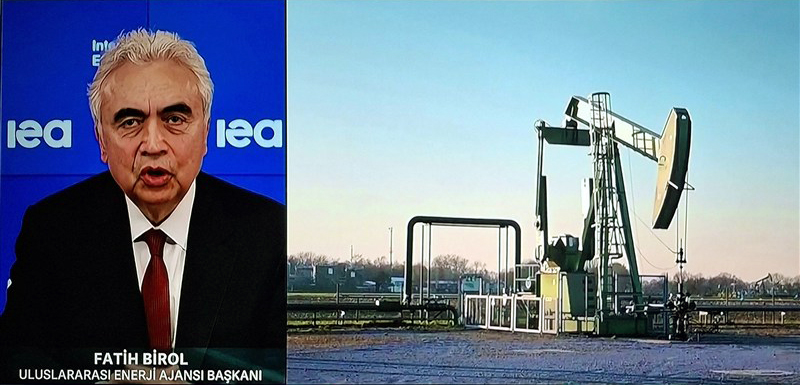
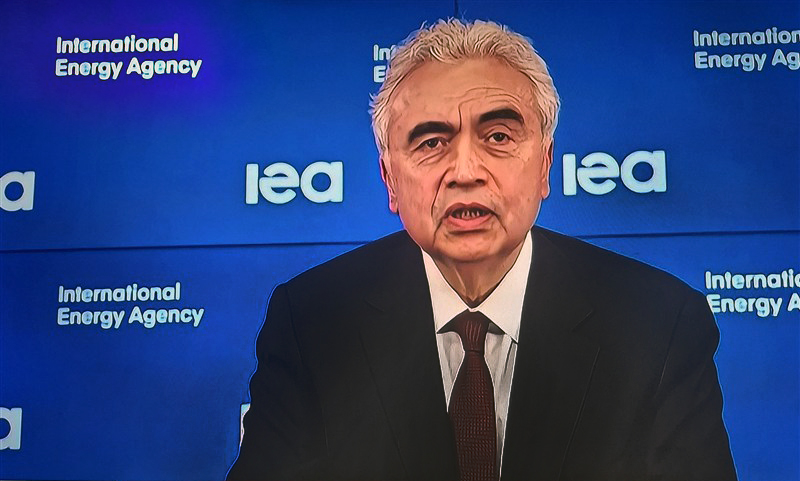
As tensions escalate in the Strait of Hormuz and this strategic route is blocked, Fatih Birol, Executive Director of the International Energy Agency (IEA), in an interview with Bloomberg Television, rejected any attempt to restore the situation to its previous state, describing the crisis as a turning point in global energy architecture.
Using the metaphor of a “broken vase,” Birol said: “Now this vase is broken and cannot be repaired with superglue. From now on, the world’s countries will not trust the security of the Strait of Hormuz, and will naturally seek alternative routes.”
The Executive Director of the International Energy Agency openly stated that in his talks with Mehmet Şimşek, Turkey’s Minister of Treasury and Finance, he emphasized the need to activate the “Basra-Ceyhan” pipeline. According to Birol, Turkey can play a key role in the new architecture of the oil supply and transit chain by transporting Iraqi oil through new pipelines to the Mediterranean Sea.
One of the most alarming parts of Birol’s remarks concerned the jet fuel supply crisis in European countries. He clarified: “In the most optimistic scenario, jet fuel reserves in Europe will last at most another six weeks. If the Strait of Hormuz crisis is not resolved soon, the entire global aviation industry will face difficulties.”
According to him, although some countries have been able to supply part of their needs through the United States and Nigeria, this has come with a significant increase in costs.
In another part of his remarks, the Executive Director of the International Energy Agency referred to the impact of the current crisis on Turkey and said: “Due to its diversified import portfolio and good relations with supplier countries, Turkey has not faced difficulties in supplying oil and gas, but it has been forced to purchase oil at higher prices, and the inflationary consequences have also affected the Turkish economy.”