What Does the European Trio’s Snapback Decision Mean?
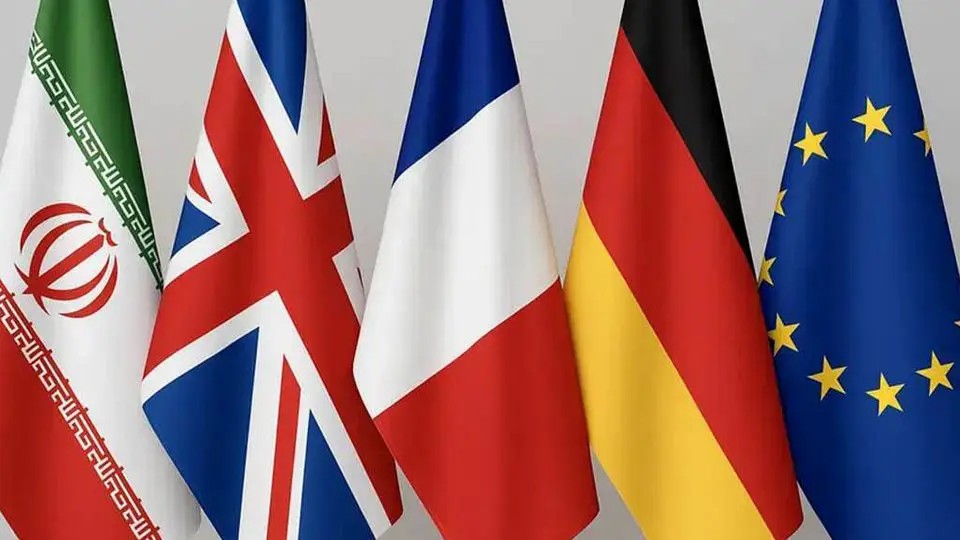
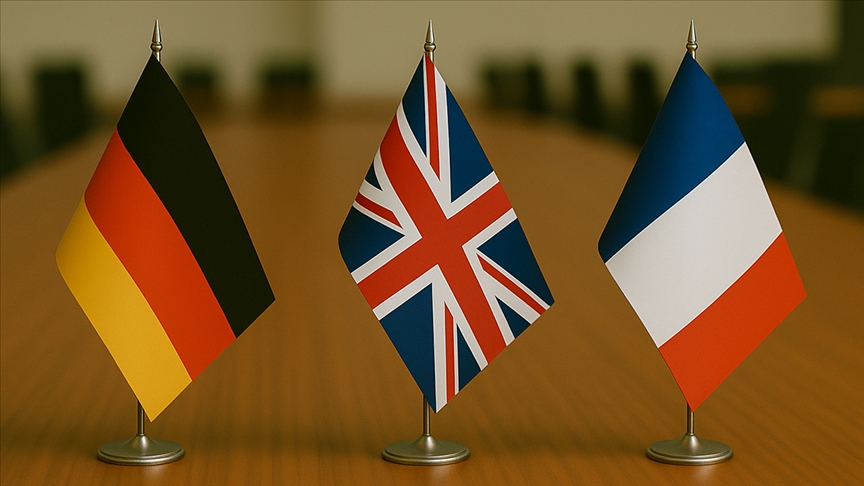
Diplomatic talks between Iran and the E3 countries (France, Germany, and the United Kingdom) have been ongoing for some time but failed to resolve the dispute between the two sides. As a result, on August 28, the E3 countries called on the UN Security Council to activate the snapback mechanism against Iran.
The snapback mechanism is outlined in UN Security Council Resolution 2231, adopted following the 2015 Joint Comprehensive Plan of Action (JCPOA) signed between Iran and the P5+1 countries. According to this mechanism, if Iran in any way violates the terms of the 2015 agreement, one of the signatory members can bring the matter to the Security Council’s agenda, and it must be resolved within 30 days. Otherwise, the UN sanctions imposed on Iran before 2015 will be reinstated. At this stage, neither the parties to the agreement nor the members of the Security Council have veto power, since a unanimous determination must be made that Iran is complying with the agreement’s provisions.
Since the United States withdrew from the agreement in 2018, and Russia and China support Iran, only three signatory countries remained to negotiate with Iran. The negotiations conducted by the United Kingdom, France, and Germany aimed to persuade Iran to return its uranium enrichment levels and enriched uranium stockpile to the limits agreed upon in the 2015 deal. Another demand from the European countries was that International Atomic Energy Agency (IAEA) inspectors be allowed to conduct inspections in Iran.
Iran, however, accuses the other side of violating the agreement’s provisions, claims its nuclear activities are not for military purposes, and interprets its increase in uranium enrichment levels as being within the scope of the agreement. It also argues that the Agency’s reports and inspections are politically motivated, lack transparency, and even allege that strategic information from Iranian facilities has been leaked to Mossad. For these reasons, it refused to allow inspectors. Iran’s expulsion of inspectors occurred after the Israeli attack on June 13, which came immediately after the Agency’s June 12 report alleging that Iran was acting in violation of the NPT.
Following the E3 countries’ initiation of the snapback process, the Security Council must prepare a draft text within 10 days, and member states must take steps to resolve the issue within a total of 30 days. If, at the end of the 30-day period, it is determined that Iran is or will be in compliance with the agreement’s provisions, sanctions will not be reinstated and will be completely lifted as of October 18, 2025. This is because the 2015 agreement stipulated that the monitoring and sanction processes on Iran would expire after 10 years.
Given current developments and regional geopolitics, such an outcome seems impossible. Two possibilities remain: one is the extension of the snapback mechanism’s expiration period. A six-month extension had previously been proposed by the E3 countries but was rejected by Iran. In such a case, sanctions on Iran would not be lifted indefinitely as of October 18, but UN sanctions would also not be reinstated until the end of the extension. This would open a six-month window of opportunity for negotiations.
The second option, which I see as more likely, is that the Security Council will adopt a sanctions resolution. The pressure and influence of the United States and Israel have played a role in the E3 countries’ snapback decision. Although these three countries still claim there is a chance for diplomacy, their decision leaves little room for it. It should not be forgotten that Iran was attacked by Israel while in negotiations with the United States, and that German Chancellor Merz supported Israel in this unlawful attack by saying, “Israel is doing our dirty work.” U.S. Secretary of State Rubio was also quick to issue a statement welcoming the snapback decision. The United States, having withdrawn from the agreement in 2018, has no legal standing to trigger the snapback mechanism, but it is clear that it has influenced the process through the European countries.
Russia and China, in their statements, argued that this decision was not made in good faith and lacked legal basis. These two countries support Iran and oppose the return of sanctions. However, if the decision to be made within the 30-day period is to be in Iran’s favor, it requires the approval of all parties. If even one party insists that Iran is violating the agreement’s provisions, the pre-2015 sanctions will be reimposed on Iran. It is clear that Russia and China would also have to comply with the decision, including halting arms sales to Iran. What the return of sanctions would add to Iran’s existing isolation is another matter of debate.
This process is likely to trigger many responses from Iran, including withdrawal from the NPT. Still, I believe Iran will use the diplomatic option until the very last moment. However, the countdown has already begun for Israel’s second major attack on Iran. The likelihood of such an attack occurring during or immediately after the 30-day decision period is extremely high.