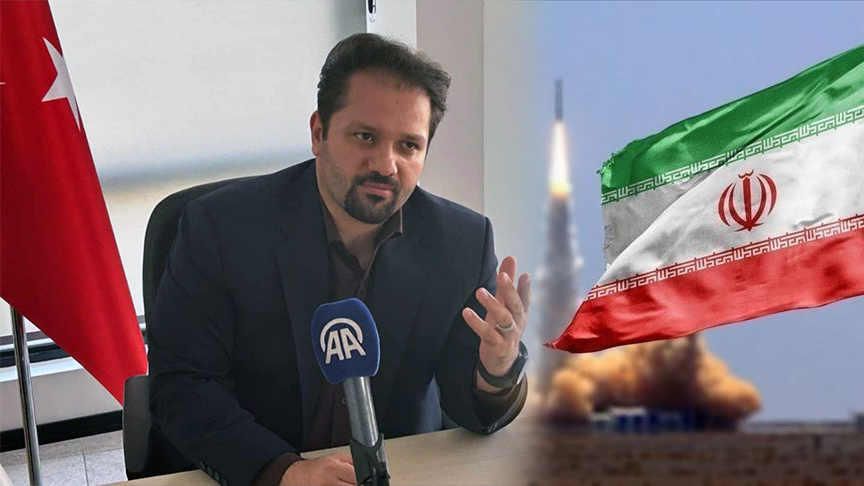
Anadolu Agency Interview with Fouad Izadi, Hamed Roshan Cheshm and Saman Niazi
With growing uncertainty over the nuclear file and mounting sanctions pressure, Iran is simultaneously strengthening its military preparedness to counter possible threats.
Following the return of UN sanctions, Tehran announced it had no plans to negotiate with Europe, but left the door open for dialogue with the United States. This stance came as debates intensified over a possible withdrawal from the Nuclear Non-Proliferation Treaty (NPT) and the expansion of military readiness against threats from Israel and the U.S.
The “snapback” mechanism under UN Security Council Resolution 2231 was triggered on September 28, after the failure of the United Kingdom, France and Germany to reach an agreement. As a result, sanctions lifted in 2015 with the implementation of the JCPOA automatically returned, turning unilateral U.S. and European sanctions into binding international measures. Russia and China, however, called these sanctions “illegal.”
Iranian Foreign Ministry spokesman Esmail Baghaei said at an October 6 press conference that Europe was blocking the diplomatic process and that Iran was only considering negotiations with the U.S. At the same time, the recent agreement between Iran and the International Atomic Energy Agency to resume inspections was suspended, and a plan to withdraw from the NPT was introduced in parliament — a move opposed by the government, which warned of its consequences.
In the absence of nuclear inspections, Iran’s nuclear program has entered a state of uncertainty. On the military front, Brigadier General Seyed Majid Mousavi, commander of the IRGC Aerospace Force, announced full readiness to respond to any potential attack. Reports indicate that Iran has deployed anti-ship missiles on strategic islands in the Persian Gulf and warned against any action targeting its oil tankers.
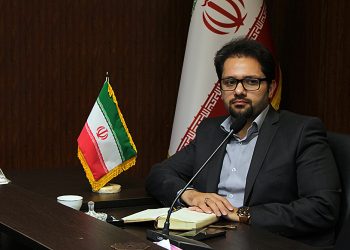
Anadolu Agency Interview with Fouad Izadi, Hamed Roshan Cheshm and Saman Niazi
Fouad Izadi, a professor at the University of Tehran, told Anadolu that Iran has not closed the door to negotiations on the nuclear issue. He recalled that just before Israel’s attacks in June, talks between Iran, the U.S. and Europe were ongoing, but according to him, the U.S. operation dubbed “Midnight Hammer” effectively broke the negotiating table.
He added that after the war ended, Iran once again began talks with Europeans, but they, in cooperation with the U.S., activated the snapback mechanism and sanctions returned. In his view, Europe lacks the ability to act independently of the U.S., making negotiations with them pointless. He also described Iran’s experience with the U.S. as “painful,” saying Iranian leaders are seeking more serious alternatives.
Izadi also addressed the debate over leaving the NPT, explaining that many members of parliament believe the treaty has brought no benefit to Iran and only imposed restrictions. He considered withdrawal “possible.”
Warning of a potential renewed attack by Israel and the U.S., Izadi said that if such an event occurs, Iran will this time impose a serious cost on the other side. Responding to the Israeli prime minister’s claim about Iran’s long-range missiles, he said no international law limits missile range, and Iran is free to produce such weapons.
He further warned that any U.S. attempt to seize Iranian oil tankers could lead to direct confrontation in the Persian Gulf, to which Iran would respond militarily.
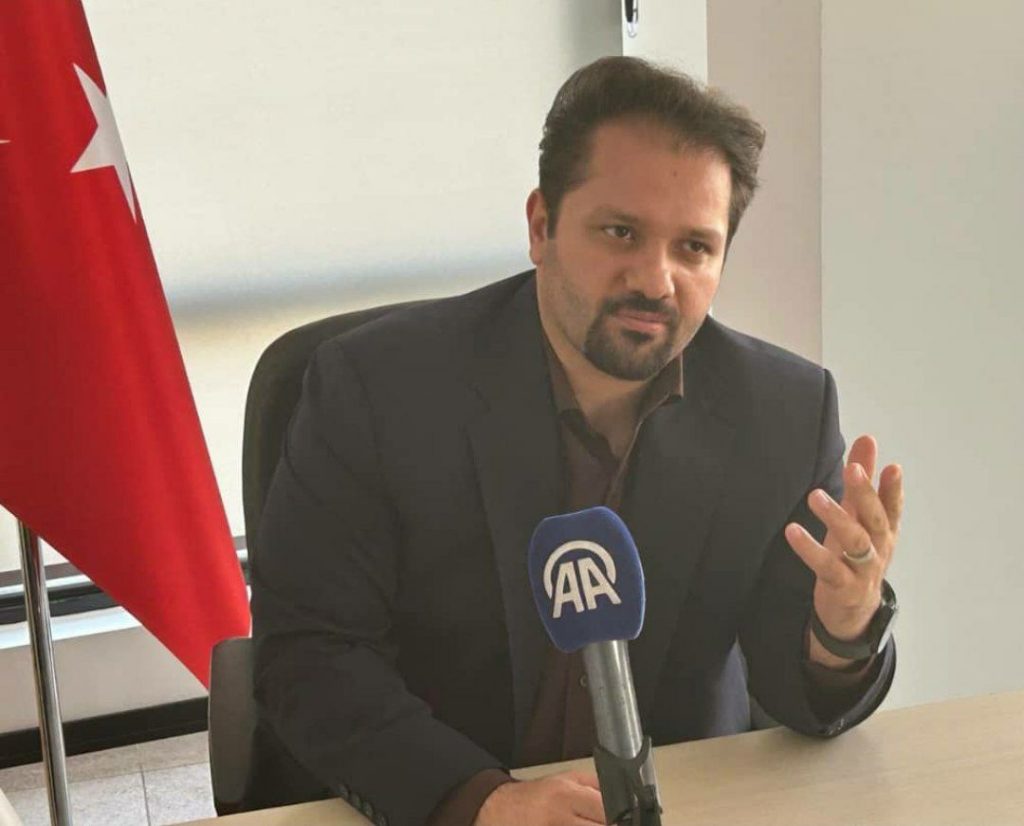
Hamed Roshan Cheshm, assistant professor of political science at Islamic Azad University of Tehran, told Anadolu that after the snapback mechanism was activated, Europe effectively lost its role in the diplomatic process. He stressed that Iran’s nuclear issue is essentially an equation between Iran and the U.S., and past experience has shown that whenever the two sides reach an agreement, the crisis can be resolved. In his view, Iran will once again turn to the U.S. to resolve the matter.
Roshan Cheshm attributed the disagreement between parliament and the government over leaving the NPT to political composition, explaining that parliament is under conservative influence while the government is influenced by reformists. He added that although these two approaches differ, in practice they complement each other.
He warned that withdrawal from the NPT could increase international ambiguity about Iran’s intentions and escalate tensions. Roshan Cheshm also said that after Israel’s attacks, the diplomatic path to resolving the nuclear issue has become more complicated. On the possibility of U.S. seizure of Iranian oil tankers, he warned that such an action could lead to direct confrontation in the Persian Gulf. According to him, the likelihood of tension and conflict in the Strait of Hormuz is very high, and if war breaks out, the Persian Gulf, the Strait of Hormuz and the Gulf of Aden will all be involved simultaneously.
Saman Niazi, an international relations expert, told Anadolu that Iran has not deviated from logical principles in its negotiations with the West, especially the U.S., and while seeking a diplomatic solution, it has been targeted by Israeli and American attacks. He added that there is deep mistrust toward the U.S., and Iran continues to strengthen its military preparedness in response to threats from Israel and the U.S.
According to Niazi, Iran is prepared for every scenario — political, social, or military. On the possibility of leaving the NPT, he said the treaty is one of Iran’s options on the table, and the country’s leaders will use it whenever they deem it in line with national interests. Niazi emphasized that there is no disagreement among Iran’s state institutions regarding national interests.
The full Anadolu Agency news report can be viewed at the link: