Direct Transportation Between Turkey and Syria; The Beginning of a New Geoeconomic Rivalry in the Middle East
The resumption of direct overland transportation between Turkey and Syria can be considered one of the most significant geopolitical developments of recent years — a development with broad economic, political, and security implications for the region. The agreement, signed in Istanbul at the end of June, is not merely a logistical contract but a sign of the redrawing of power dynamics and geoeconomic positions among the main actors of the Middle East.
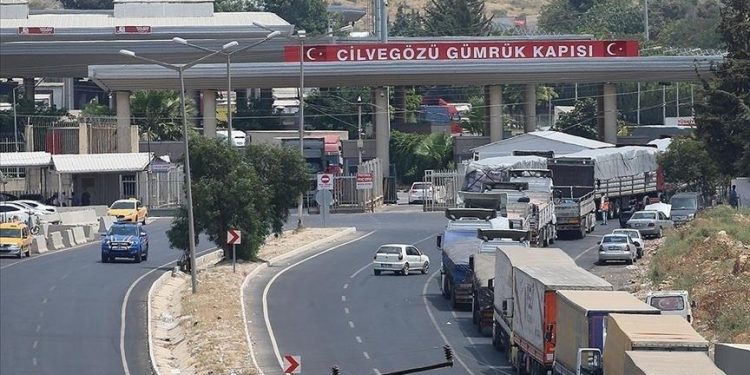
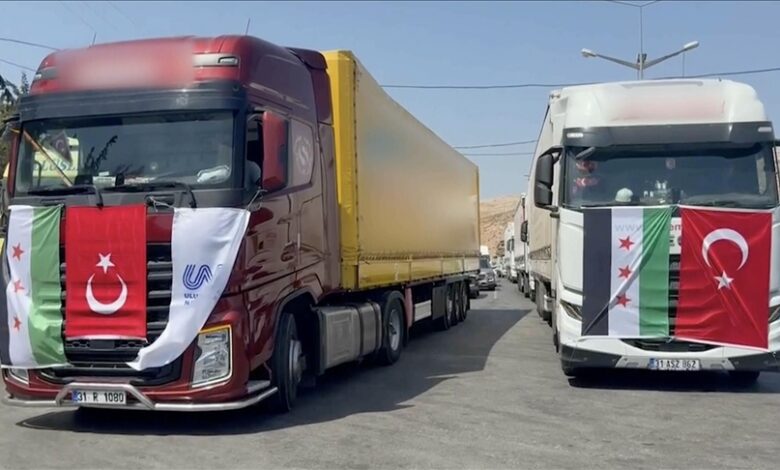
Under the memorandum of understanding, trucks from both countries will be able to pass directly through each other’s territory without stopping or transferring cargo at the border. On one hand, this agreement will reduce the time and cost of trade and open new routes connecting Turkey to the Arab world and the Persian Gulf. On the other hand, for Damascus — which lost its position as the commercial gateway of the Arab Mashreq after a decade of civil war — it offers an opportunity to return to the region’s economic map and gain new transit revenues. For Ankara, the agreement is also part of the broader “Middle Corridor” strategy, which aims to make Turkey one of the main pillars of Eurasian trade.
However, this development is not solely to the benefit of the two countries and carries wider consequences. Iraq will likely lose part of its transit significance, while Iran faces a serious competitor. Over the past years, Tehran has sought to leverage the Syrian crisis to strengthen its geoeconomic position, turning the Iran–Iraq–Syria routes into the main East–West and North–South corridor. Now, the Turkey–Syria route, with its direct connection to Jordan and the Gulf states, could encourage exporters from these countries to choose a shorter, safer, and more cost-effective option, thereby reducing the competitive advantage of the Iranian route.
Politically, the agreement also signals Turkey’s restoration of its position in Damascus through economic means. Syria’s transitional government, in need of capital and trade routes for reconstruction and breaking out of isolation, may find Turkey better positioned to act effectively under the sanctions and financial constraints facing Iran. In effect, this move poses a threat to Tehran’s geoeconomic standing, though Iran might recover part of its lost benefits through regional diplomacy, linking its projects to the Middle Corridor, or capitalizing on reduced pressure along the Iran–Iraq–Syria route.
Overall, Syria’s return as a regional land corridor is a strategic asset for Turkey — a development that will not only transform regional trade routes but also influence the balance of power in the Middle East. In such a context, if Iran fails to present complementary or parallel initiatives, it will gradually lose part of its position in the region’s new transit order.