Meeting between Zelenskyy and Erdoğan in Ankara
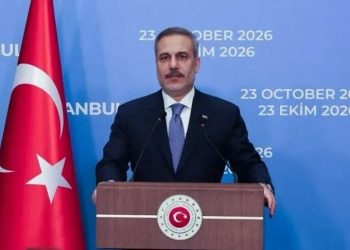
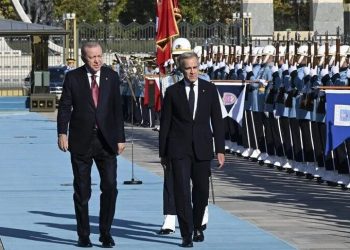
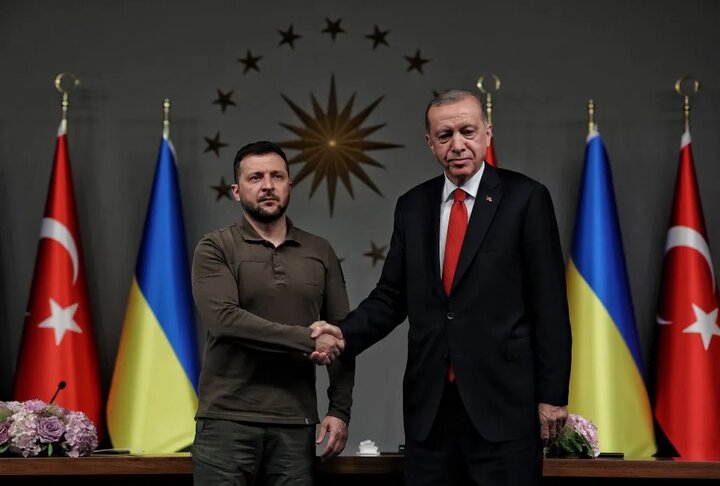
Volodymyr Zelenskyy, the President of Ukraine, met with Recep Tayyip Erdoğan, the President of Turkey, in Ankara during an official visit on Thursday. The main goal of this trip was to assess the possibility of restarting peace talks between Ukraine and Russia—negotiations that have been stalled since the spring of 2022. Meanwhile, Russian President Vladimir Putin did not personally attend, and the Kremlin instead sent a diplomatic delegation to Turkey.
According to a statement from the Turkish Presidential Palace, the two sides discussed Ankara’s role as a “neutral mediator” and potential mechanisms to reduce tensions. In his remarks, Erdoğan stressed that Turkey is fully prepared to continue hosting peace talks. He added, “Stability in the Black Sea region benefits all involved parties.”
Foreign policy analysts view Putin’s absence from the Ankara talks as a sign of Russia’s caution. According to them, the Kremlin prefers to assess Kyiv’s stance through diplomatic channels before formally committing to negotiations. Moscow’s proposal for “precondition-free talks” has also drawn mixed reactions, as Ukraine sees it as a strategy to ignore the occupation of parts of its territory.
These developments come as Donald Trump, the leading Republican candidate in the U.S. presidential election, has urged Ukraine to quickly accept Russia’s peace proposals. This stance has raised concerns among some experts, as a Trump victory could lead to reduced military support from Washington for Kyiv. On the other hand, the European Union recently reiterated its commitment to supporting Ukraine in a statement, though disagreements among member states over the extent of this support persist.
Zelenskyy’s visit to Ankara takes place as Ukraine faces multiple challenges, including a relative decline in international support and the need to secure military resources. Experts believe that while Turkish diplomacy can create a conducive environment for dialogue, reaching a final agreement without flexibility from both sides—especially on the issue of territorial sovereignty—remains unlikely.