6.1-Magnitude Earthquake Jolts Sındırgı in Balıkesir, Turkey
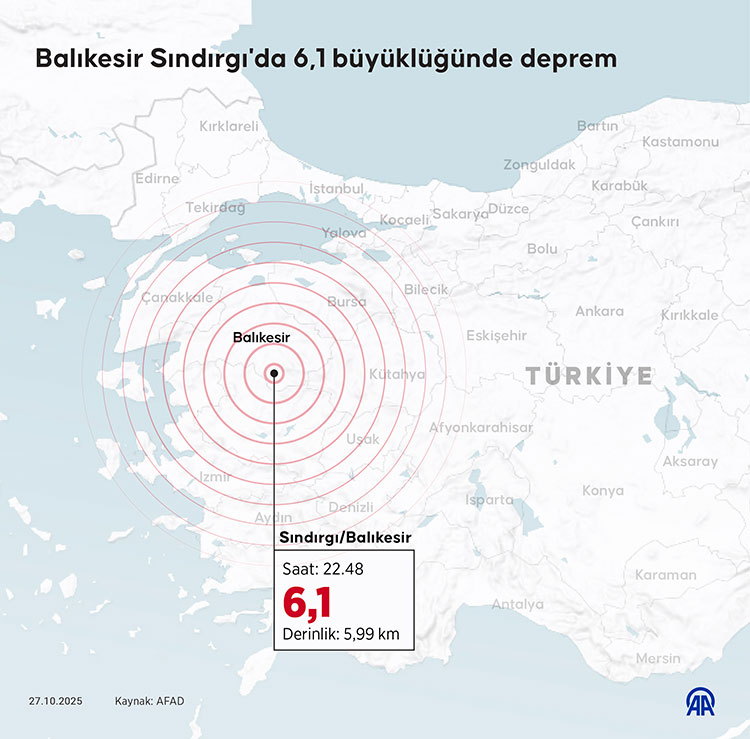
A 6.1-magnitude earthquake struck the district of Sındırgı in Turkey’s Balıkesir Province on Friday night. The quake occurred at 22:48 local time at a depth of about six kilometers and was felt in several provinces, including İzmir, Bursa, Istanbul, Manisa, Yalova, Tekirdağ, Kocaeli, and Sakarya.
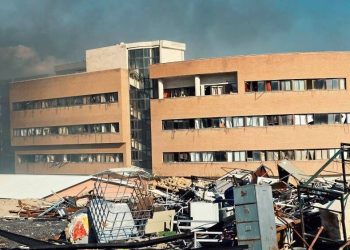
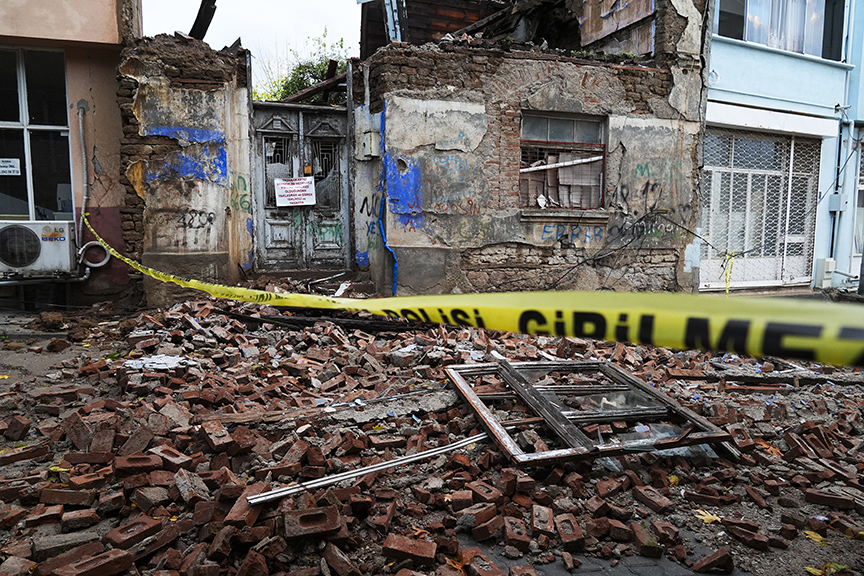
According to the Disaster and Emergency Management Authority (AFAD), more than 330 aftershocks have been recorded so far, 12 of which measured above magnitude 4. The strongest aftershock registered 4.8. As a result of these tremors, four buildings that had already been damaged and evacuated after the August 10 earthquake collapsed completely, while a two‑story shop in central Sındırgı was also destroyed.
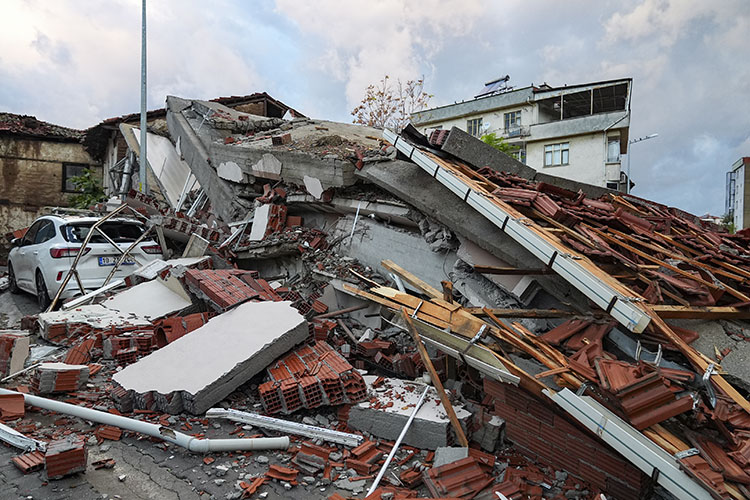
Turkish officials announced that there were no fatalities. Interior Minister Ali Yerlikaya, who visited the area, stated that some citizens sustained minor injuries after jumping from balconies in panic. Local authorities reported that 26 people were admitted to hospitals, all of whom were discharged after treatment. Health Minister Kemal Memişoğlu emphasized that none of the injuries were directly caused by the earthquake itself, but rather by panic.
President Recep Tayyip Erdoğan expressed his wishes for a swift recovery to those affected in a message on social media, adding that AFAD and other relevant institutions were conducting field assessments. Speaker of the Grand National Assembly Numan Kurtulmuş and Vice President Cevdet Yılmaz also issued similar messages. Several other ministers and senior officials, including those responsible for Environment, National Education, Labor and Social Security, Agriculture and Forestry, Trade, Industry and Technology, Energy and Natural Resources, and Family and Social Services, released separate statements conveying solidarity with the affected citizens.
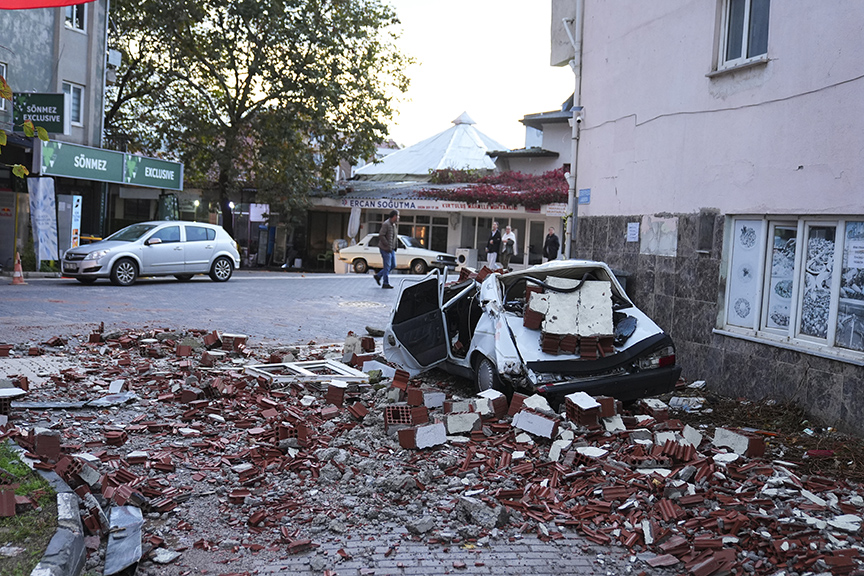
Following the earthquake, Turkey’s Disaster Response Plan (TAMP) was activated. Teams from AFAD, the gendarmerie, police, fire brigades, the Ministry of Defense, municipalities, the Turkish Red Crescent, and non‑governmental organizations, with more than one thousand personnel and hundreds of heavy machines, were deployed. Debris removal and structural assessments began. For temporary shelter, 100 housing containers were sent to the region, and mosques, schools, and sports halls were opened to the public.
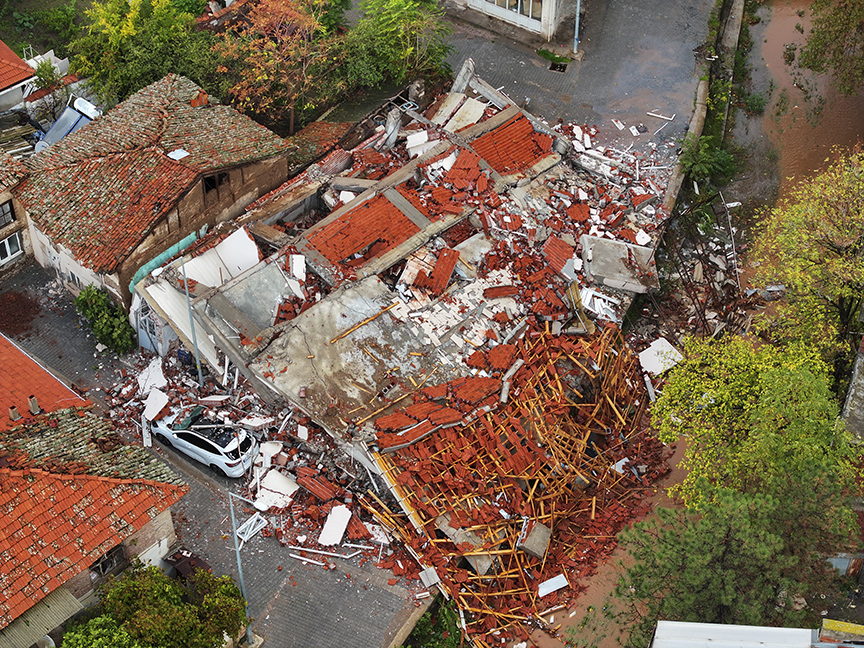
At daybreak, aerial rescue teams used drones to document the damage. Two buildings around Cumhuriyet Square were found to have collapsed completely, with one vehicle trapped under the rubble. In Istanbul and İzmir, many residents spent the night outdoors after feeling the tremors.