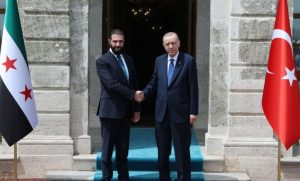
Ahmed al-Shara’s Unexpected Visit to Turkey and Its Security Implications
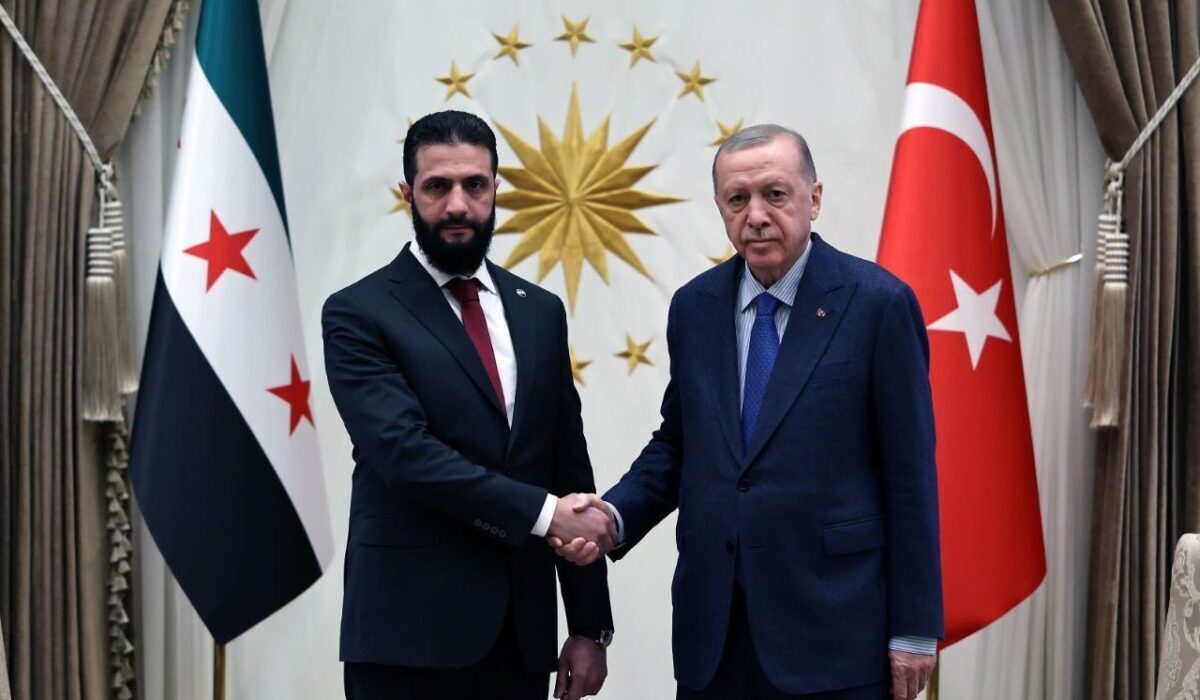
One of the key topics discussed is said to be the possibility of forming a limited defense cooperation, which would include training military forces—particularly in HTS-controlled areas in Idlib province—in exchange for Turkey’s potential use of military infrastructure in northern Syria, such as the limited deployment of airbases or new observation posts. However, neither side has officially confirmed the details of this potential agreement.
According to some reports, Erdoğan emphasized the need to preserve Syria’s territorial integrity during the meeting and likely made promises regarding the easing of international pressures—including pursuing the relaxation of Western sanctions on specific regions—in an effort to gain the support of armed groups opposed to the Damascus government.
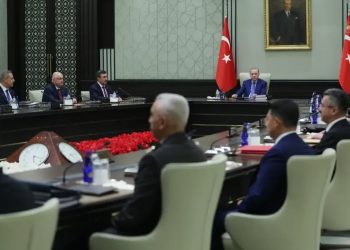
From an analytical perspective, this meeting could signal Ankara’s attempt to redefine its role in Syria’s security dynamics. In recent years, particularly after reduced cooperation with the U.S. in northeastern Syria, Turkey has sought to consolidate its influence in areas controlled by its allied forces, including HTS. Security analysts suggest that this meeting may have taken place within the framework of strengthening intelligence and military infrastructure in the Idlib region, transferring military and security expertise, and partially rebuilding the defensive capabilities of local forces.
Meanwhile, the role of international actors such as the U.S., Russia, and Iran remains crucial in Syria’s power balance. The U.S. is attempting to align its regional allies, including Turkey, Saudi Arabia, and Israel, to counter cross-border threats from extremist groups or states like Iran. However, any Turkish rapprochement with HTS—which remains on the U.S. and several European countries’ lists of terrorist organizations—could provoke diplomatic reactions.
From an international law perspective, the meeting between a non-state actor like al-Jolani and the leader of an official state raises questions about the legitimacy of such relations and their impact on Syria’s future political process. It remains unclear whether these contacts will lead to broader negotiations involving other stakeholders.