Israels Concern Over Turkeys Return to the F35 Program
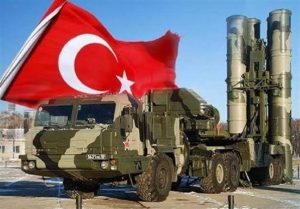
The possibility of transferring Turkey’s S-400 air defense systems to the United Arab Emirates has become one of the important issues in regional diplomatic developments. Israel opposes this transfer and is exerting pressure to dissuade Abu Dhabi from purchasing these systems.
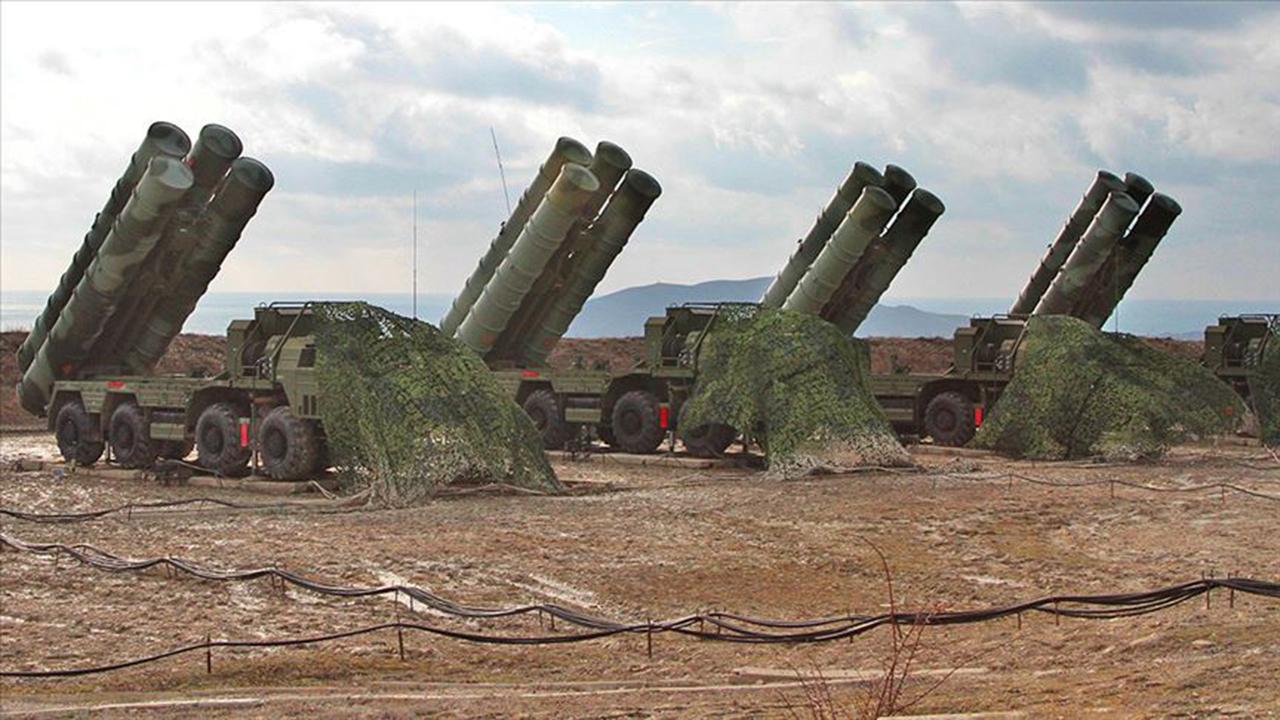
Turkey ordered the first batch of S-400s from Russia in 2017 and received it in July 2019. After that, Washington removed Ankara from the F-35 fighter jet program and halted the delivery of fighter jets produced for Turkey. Turkey was also sanctioned by the United States in 2020 under the CAATSA law.
Russian Foreign Minister Sergey Lavrov said on September 26, on the sidelines of the UN General Assembly, that transferring Turkey’s S-400s to a third country is possible, but requires Moscow’s approval. He added that the buyer country must have friendly relations with Russia and provide guarantees that these systems will not be sent to Ukraine.
In recent months, Ankara has examined various options to get past the S-400 issue. One of these options, first raised in Turkish media and then published by The Wall Street Journal, is selling the systems to the UAE. If such a sale materializes, Turkey can remove these systems from its territory and take an important step toward resolving the sanctions crisis with the United States.
Tom Barrack, the U.S. ambassador to Ankara, had said, “The S-400 dispute between Turkey and the United States will be resolved. This process may be time-consuming, and the two sides are working on CAATSA sanctions and other conditions of the U.S. Congress.” From Washington’s perspective, the removal of the S-400 and related equipment from Turkish territory is of key importance for selling F-35s to Ankara again.
The main obstacle to selling the S-400s to the UAE is not Russia. Ankara and Moscow have reached an understanding about a possible sale, but Israel is pressuring Abu Dhabi to prevent the UAE from purchasing these systems. Israel’s main concern is that resolving the S-400 issue would lead to the lifting of CAATSA sanctions and Turkey’s return to the F-35 program.
Israeli Prime Minister Benjamin Netanyahu had previously openly opposed Turkey’s acquisition of F-35s. Israel believes that a Turkish F-35 fleet could change the region’s military balance and its own security calculations. Therefore, from Israel’s perspective, keeping unused S-400s in Turkey could be more desirable for Tel Aviv than Ankara’s return to the F-35.