U.S. Military Intervention in Venezuela and Domestic Reactions in Turkey
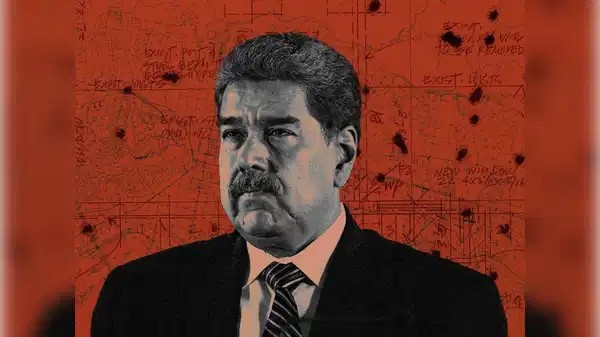
Following the United States military operation that led to the arrest of Nicolás Maduro, the President of Venezuela, the country has entered one of the most critical periods in its history. In the aftermath of the operation, a state of emergency was declared in Venezuela, and Washington issued a statement saying it would “manage the transition process.” This move has heightened uncertainty about Venezuela’s future.
U.S. President Donald Trump announced on Saturday that Maduro had been captured after a large-scale military operation by American forces. U.S. media reported that Maduro and his wife, Cilia Flores, were being held at the Metropolitan Detention Center in Brooklyn, New York, facing charges related to drugs and weapons. Trump shared an image on social media showing Maduro blindfolded on the deck of the USS Iwo Jima warship.
Early Saturday morning, massive explosions occurred in Caracas and several military bases. The Venezuelan government declared a national state of emergency and put the armed forces on alert. Trump stated at a press conference that the United States would govern Venezuela “until a safe, fair, and reasonable transition is achieved,” and that American oil companies would continue their operations in the country.
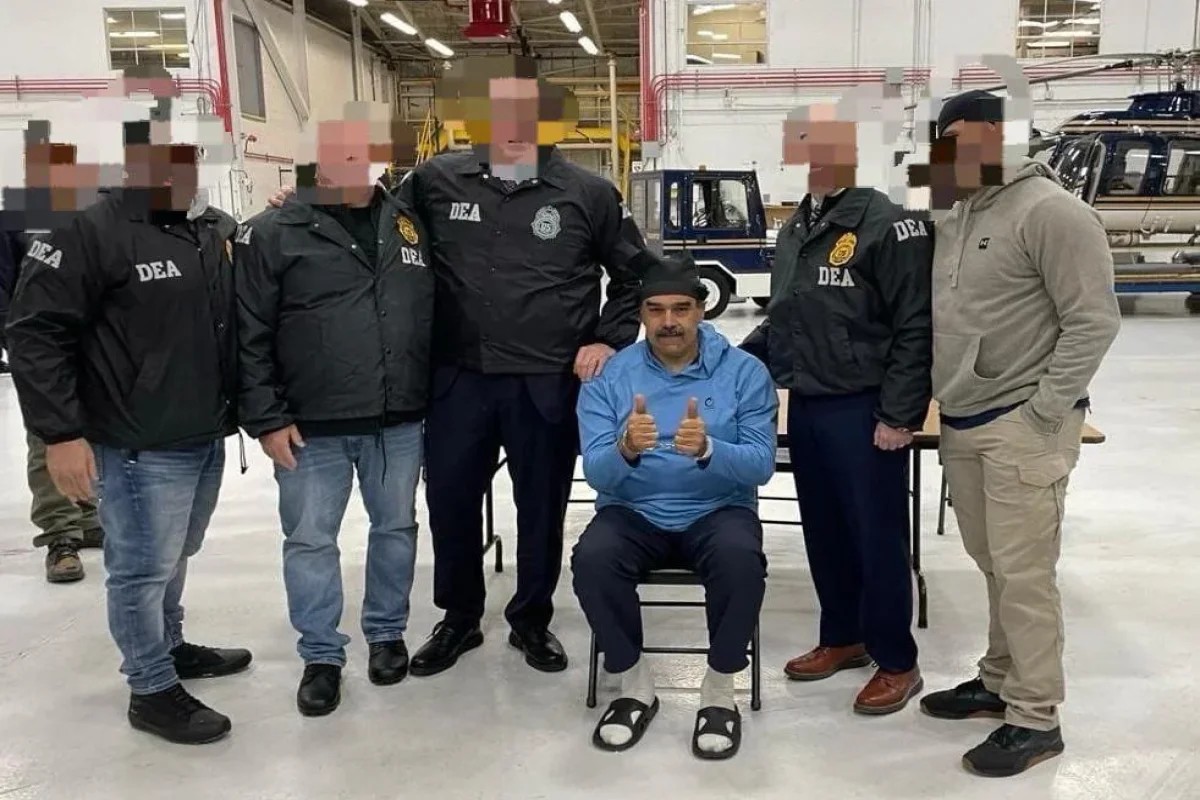
Reports indicate that Maduro’s arrest was carried out by Delta Force, a special unit of the U.S. Army. A CIA source played a key role in locating Maduro. Dan Keane, Chairman of the Joint Chiefs of Staff, said the operation was the result of months of planning and involved more than 150 military aircraft. U.S. forces entered Maduro’s residence complex at 2:01 a.m., while electricity was cut off in most parts of Caracas. Maduro and his wife were first taken to an American warship and later transferred to New York.
Venezuelan Defense Minister Vladimir Padrino López announced that the attacks had also affected residential areas and that information on casualties was being collected. Trump said the U.S. military was prepared for a “second wave” of operations, but the initial strike had been “strong enough.”
U.S. Attorney General Pam Bondi announced that Maduro and his wife would be tried in the Federal Court of the Southern District of New York. The charges include conspiracy to commit narcoterrorism, cocaine importation, possession of machine guns and explosives, and armed conspiracy against the United States.
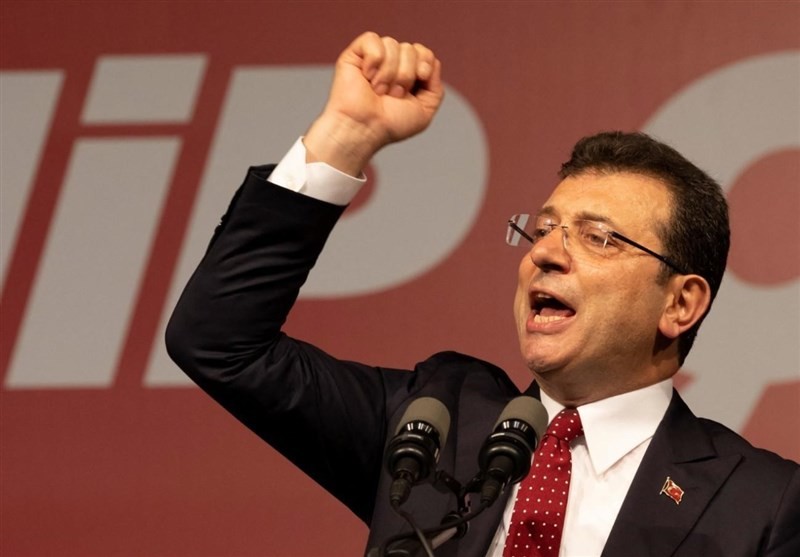
Meanwhile, Ekrem İmamoğlu, presidential candidate of the Republican People’s Party (CHP) and former mayor of Istanbul, declared in a statement that the U.S. military intervention in Venezuela was a violation of international law and criticized Turkey’s foreign policy stance. He said: “What Turkey needs in this critical period is not unprincipled and capricious behavior, but the voice of common sense and the rule of law.” İmamoğlu emphasized that the authoritarianism of a government does not justify foreign military intervention, and that the solution must be based on international law and the will of the Venezuelan people. He added: “Turkey’s voice was weak; this situation damages our country’s credibility.”
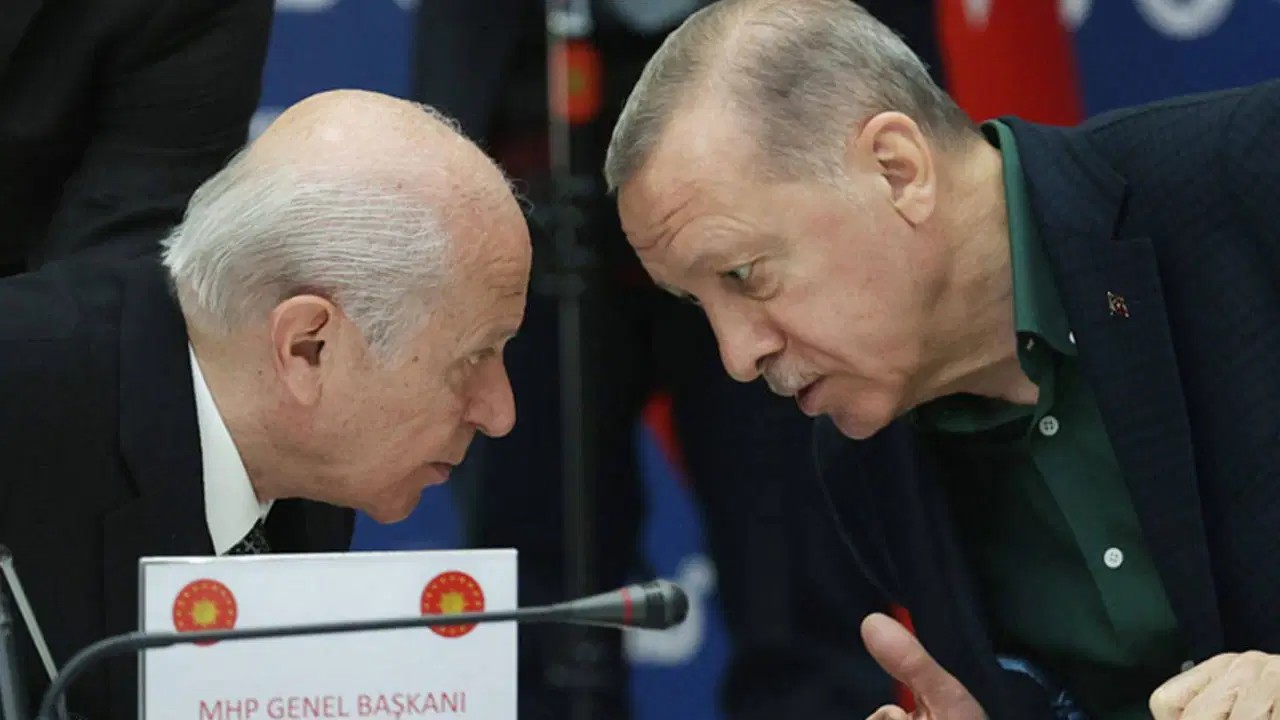
In further reactions, another crisis emerged within Turkey’s Justice and Development Party (AKP) over the issue of Venezuela. Devlet Bahçeli, leader of the Nationalist Movement Party (MHP), compared the U.S. intervention to the failed coup attempt of July 15, 2016 in Turkey, saying: “The United States, which could not achieve its goals against the will of the Turkish nation on July 15, 2016, is now applying a similar method in Venezuela.”
Following this statement, former Interior Minister Süleyman Soylu expressed his support for Bahçeli on social media, writing: “We stand where we stood on July 15.” Presidential Chief Advisor Mehmet Uçum also stated: “With the Maduro incident, the threat of a rogue imperialist state has clearly been added to the list of threats. Today, more than ever, intensifying the anti-imperialist struggle and strengthening state-nation cooperation is essential.”
Despite these reactions, the silence of the Presidential Palace and the leadership of the AKP regarding the U.S. intervention in Venezuela continued, with no comprehensive assessment provided. This silence has been interpreted in Turkish political circles as a sign of internal divisions and weakness in international positioning.