Emergency UN Security Council Meeting at Iran’s Request
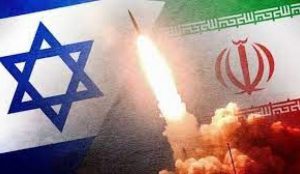
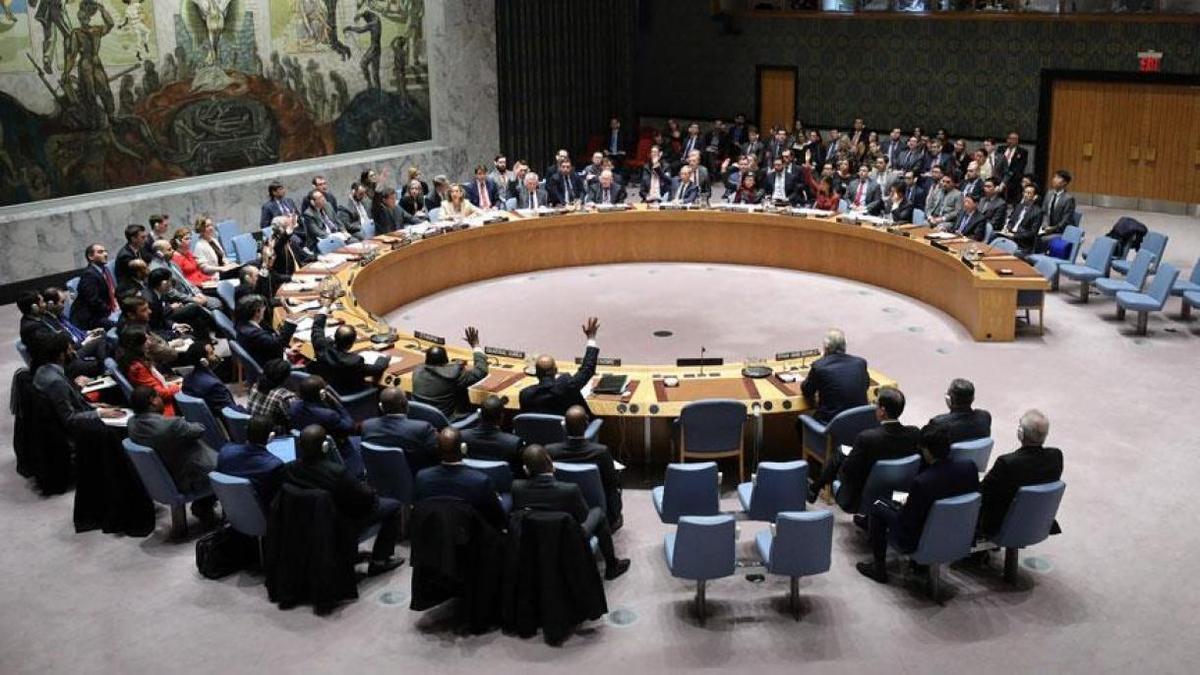
Today, Friday, following the early morning attack by the Israeli regime on targets in Tehran and Tabriz—which, according to official Iranian sources, included military and scientific facilities—the United Nations Security Council will hold an emergency meeting at 15:00 New York time (22:30 Tehran time) at the UN headquarters, upon the formal request of the Islamic Republic of Iran.
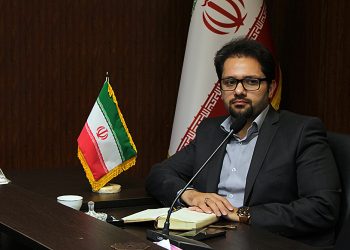
In an official letter addressed to the President of the Security Council, Iran’s Deputy Foreign Minister, Abbas Araghchi, called for an immediate review of the “clear violation of the UN Charter and blatant aggression against the sovereignty and territorial integrity of the Islamic Republic of Iran.” Citing Article 51 of the UN Charter, he emphasized “Iran’s right to self-defense against this aggression.”
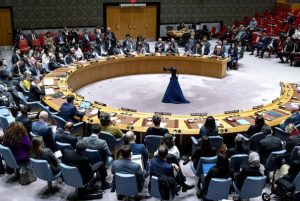
The meeting will be attended by the 15 members of the Security Council, including the five permanent members (China, Russia, the U.S., France, and the UK) and ten non-permanent members. Reports indicate that senior representatives from Iran and the U.S. will also be present. Israel, as a non-member state at the UN, may participate through its affiliated representative.
The agenda of the meeting includes examining the legal and military dimensions of the attack, investigating the flight paths of missiles through the airspace of third countries (including Iraq or Azerbaijan), and assessing urgent measures to prevent further escalation of the crisis.
Diplomatic sources suggest several possible scenarios for the meeting, including: “issuing a political statement condemning the aggression, calling for restraint, reviewing regional mediation mechanisms,” and even drafting a resolution against the Israeli regime—which would likely face a U.S. veto.
Regional analysts and international legal experts believe this meeting could serve as a crucial test of the Security Council’s effectiveness in maintaining global peace and security. At the same time, it may provide a platform for enhancing the mediating role of regional countries, such as Turkey, Qatar, and Oman, in crisis management.