A Comprehensive Analysis of Turkey’s Current Affairs
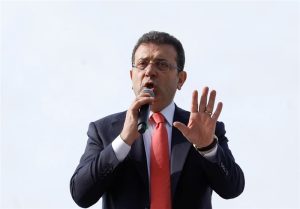
The people of Istanbul took to the streets in massive protests against the detention of Ekrem İmamoğlu, a political activist and government critic. The demonstrations, attended by thousands, reflect growing discontent among a segment of Turkish society toward the policies of President Recep Tayyip Erdoğan’s government.
İmamoğlu’s arrest, based on charges that critics deem politically motivated, has sparked public outrage and could potentially trigger a new wave of anti-government protests.
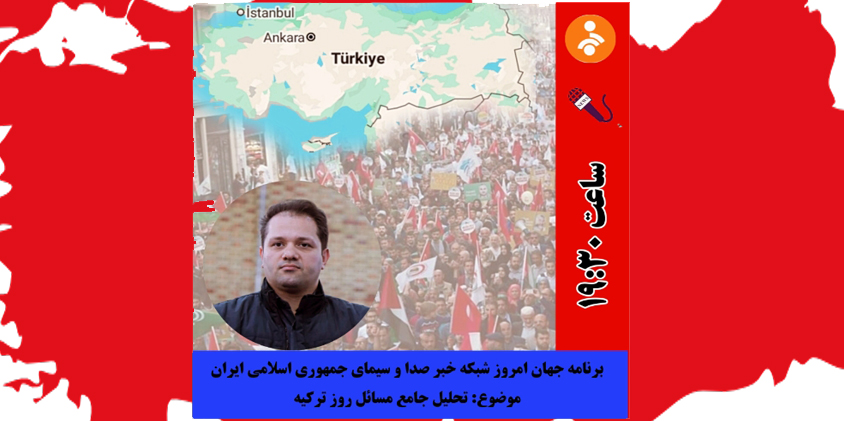
Meanwhile, West Asia analysts believe these events could have significant repercussions on Turkey’s political landscape. Dr. Hamed Roshan Cheshm, a West Asia affairs expert, discussed the implications of this issue on Jahan-e Emrouz (Today’s World), a program broadcast by Iran’s Islamic Republic News Network.
He noted that İmamoğlu’s detention and the widespread public backlash highlight deeper divisions within Turkish society, which could escalate domestic tensions and even shift the country’s political dynamics.
Dr. Roshan Cheshm also pointed out that the Erdoğan government has faced multiple challenges in recent years, including economic struggles, the depreciation of the lira, and rising social discontent. The recent protests could mark a turning point in Turkey’s political developments, especially if the demonstrations spread to other cities.
Overall, İmamoğlu’s arrest and the large-scale protests in Istanbul are not just an internal incident but rather a sign of broader shifts in Turkey that could reshape its political future. How this situation unfolds and how the Erdoğan government responds will be closely monitored by analysts and political observers.