Developments in Turkey
Based on information available as of March 20, 2025, protests in Turkey have rapidly expanded and taken on various dimensions following the arrest of Istanbul Mayor Ekrem Imamoglu. The following provides more details about these protests:
Start and spread of protests
The protests began on the morning of Wednesday, March 19, 2025 (29 Esfand 1403), after Imamoglu was arrested by police at his home. Before his arrest, he posted a video on social media showing hundreds of police officers in front of his house, describing the action as a “coup against the will of the people.” The arrest was made on charges such as “financial corruption” and “links to the PKK terrorist group,” charges that his supporters say are fabricated and political.
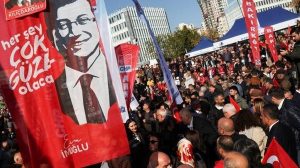
Immediately after news of his arrest broke, supporters of Imamoglu, especially from the Republican People’s Party (CHP), gathered in front of the party’s headquarters in Istanbul. The protests quickly spread to other parts of the city and even to some other cities in Turkey. Reports indicate that tens of thousands of people, including students, took to the streets of Istanbul, chanting slogans against Turkish President Recep Tayyip Erdogan and his government. Protesters called Erdogan a “dictator” and demanded the immediate release of Imamoglu.
Government and security forces response
The Turkish government quickly imposed control measures. The Istanbul Governorship banned all gatherings and demonstrations for four days (until March 23, 2025), and several major streets in the city, including areas near Taksim Square and the CHP party headquarters, were blocked. Police used water cannons and tear gas to disperse the protesters. At Istanbul University, clashes between students and police were reported, especially after security forces entered the campus.
In addition, access to social media sites such as X, YouTube, Instagram, and TikTok have been severely restricted in Istanbul and some other areas. Internet watchdog Netblocks confirmed these restrictions, calling them an attempt by the government to control the flow of information and prevent protesters from further organizing.
Protesters’ Composition and Slogans
The protesters, made up of various groups including CHP supporters, students, civil society activists and some members of the Peoples’ Democracy and Equality Party (HDP), condemned the arrest. The main slogans included “Erdogan is a dictator”, “Free Imamoglu” and “This is a coup against democracy”. In a speech, CHP leader Özgür Özel called the move “a coup against the will of the people” and urged supporters to continue the resistance.
Economic and social impacts
Imamoğlu’s arrest and the ensuing protests had an immediate impact on the Turkish economy. The Istanbul Stock Exchange index fell by 7% and trading was suspended for a while. The Turkish lira also fell between 7% and 15% against the dollar, to around 45 lira per dollar, reflecting market concerns about political instability. This situation has become even more sensitive in the run-up to the upcoming presidential election, in which Imamoğlu is expected to be one of the main candidates.
Context and implications
The protests come at a time when Turkey has seen political unrest before, such as the Gezi Park movement in 2013. The arrest of Imamoglu, who won big victories against Erdogan’s Justice and Development Party (AKP) in the 2019 and 2023 local elections, is seen as an attempt to remove him from the political race. The revocation of his degree by Istanbul University the day before his arrest has also fueled speculation, as Turkish law requires presidential candidates to have a university degree.
Analysts believe the protests could become a turning point. Although the government is cracking down hard, public anger and international support for Imamoglu could increase pressure on Erdogan. In contrast, tightening restrictions and further arrests, including around 100 more people including journalists and activists, could further polarize society.
Overall, these protests demonstrate the depth of the political divide in Turkey and the challenges facing the Erdogan government in the face of a powerful opposition that Imamoglu has become a symbol of. The situation is still evolving and the coming days will play a decisive role in the fate of these unrest.
Based on available information and quoted from various media outlets, the following is true:
Turkish media
Turkish state and pro-government media outlets, such as Anadolu Agency and TRT World, have justified İmamoğlu’s arrest as part of a judicial investigation into allegations of “corruption” and “links to the PKK terrorist group.” In statements reported by the media, Turkey’s communications director Fahrettin Altun said the main opposition was politicizing the investigation and that the charges against President Recep Tayyip Erdoğan were baseless. The media reported that the government had imposed restrictions, such as a four-day ban on gatherings in Istanbul and the closure of some metro lines and streets. However, the market reaction was negative, with the lira hitting its lowest level against the dollar, reflecting concerns about political instability.
European mediaBased on information available as of March 20, 2025, protests in Turkey have rapidly expanded and taken on various dimensions following the arrest of Istanbul Mayor Ekrem İmamoğlu. The following are more details about these protests:
Start and spread of protests
The protests began on the morning of Wednesday, March 19, 2025 (29 Esfand 1403), after Imamoglu was arrested by police at his home. Before his arrest, he posted a video on social media showing hundreds of police officers in front of his house, describing the action as a “coup against the will of the people.” The arrest was made on charges such as “financial corruption” and “links to the PKK terrorist group,” charges that his supporters say are fabricated and political.
Immediately after news of his arrest broke, supporters of Imamoglu, especially from the Republican People’s Party (CHP), gathered in front of the party’s headquarters in Istanbul. The protests quickly spread to other parts of the city and even to some other cities in Turkey. Reports indicate that tens of thousands of people, including students, took to the streets of Istanbul, chanting slogans against Turkish President Recep Tayyip Erdogan and his government. Protesters called Erdogan a “dictator” and demanded the immediate release of Imamoglu.
Government and security forces response
The Turkish government quickly imposed control measures. The Istanbul Governorship banned all gatherings and demonstrations for four days (until March 23, 2025), and several major streets in the city, including areas near Taksim Square and the CHP party headquarters, were blocked. Police used water cannons and tear gas to disperse the protesters. At Istanbul University, clashes between students and police were reported, especially after security forces entered the campus.
In addition, access to social media sites such as X, YouTube, Instagram, and TikTok have been severely restricted in Istanbul and some other areas. Internet watchdog Netblocks confirmed these restrictions, calling them an attempt by the government to control the flow of information and prevent protesters from further organizing.
Protesters’ Composition and Slogans
The protesters, made up of various groups including CHP supporters, students, civil society activists and some members of the Peoples’ Democracy and Equality Party (HDP), condemned the arrest. The main slogans included “Erdogan is a dictator”, “Free Imamoglu” and “This is a coup against democracy”. In a speech, CHP leader Özgür Özel called the move “a coup against the will of the people” and urged supporters to continue the resistance.
Economic and social impacts
Imamoğlu’s arrest and the ensuing protests had an immediate impact on the Turkish economy. The Istanbul Stock Exchange index fell by 7% and trading was suspended for a while. The Turkish lira also fell between 7% and 15% against the dollar, to around 45 lira per dollar, reflecting market concerns about political instability. This situation has become even more sensitive in the run-up to the upcoming presidential election, in which Imamoğlu is expected to be one of the main candidates.
Context and implications
The protests come at a time when Turkey has seen political unrest before, such as the Gezi Park movement in 2013. The arrest of Imamoglu, who won big victories against Erdogan’s Justice and Development Party (AKP) in the 2019 and 2023 local elections, is seen as an attempt to remove him from the political race. The revocation of his degree by Istanbul University the day before his arrest has also fueled speculation, as Turkish law requires presidential candidates to have a university degree.
Analysts believe the protests could become a turning point. Although the government is cracking down hard, public anger and international support for Imamoglu could increase pressure on Erdogan. In contrast, tightening restrictions and further arrests, including around 100 more people including journalists and activists, could further polarize society.
Overall, the protests highlight the depth of the political divide in Turkey and the challenges facing Erdogan’s government in the face of a powerful opposition, of which Imamoglu has become a symbol. The situation is still evolving and the coming days will play a decisive role in the fate of the unrest.
Euronews and the BBC have reported that the arrest of Imamoglu, one of the most prominent opposition figures and Erdogan’s main rival, is seen as an escalation of the government’s crackdown on dissent. Germany and France have condemned the move, calling it a blow to democracy in Turkey. Ursula von der Leyen, the president of the European Commission, called the arrest “deeply worrying” and called for respect for democratic values. European media have also reported street protests in Istanbul, where some residents took to the streets despite a ban on gatherings, indicating rising social tensions.
US media
Bloomberg and the US State Department have described Imamoglu’s arrest as a sign of Erdogan’s concern about losing the upcoming elections. Bloomberg has called the move an attempt to prevent Imamoglu from running in the presidential election. The US State Department has also reiterated its concerns about the judicial harassment of opponents in Turkey and stressed the need to respect freedom of expression and peaceful assembly. Reports indicate that about 100 other people have been detained, including journalists and businessmen associated with Imamoglu, which the media say has further strained the political atmosphere.
Russian media
RT reported that the terrorism-related charges against Imamoglu have given the Turkish government a pretext to remove him from the political scene. The outlet cited the closure of roads and the metro in Istanbul as a sign of the government’s tight control over the situation. Given Turkey’s complicated relations with Russia, Russian media have been examining the incident in the context of analyzing Turkey’s internal rivalries and their impact on Ankara’s foreign policy, but the Kremlin’s official position is still unclear.
Tensions between Erdogan and the opposition are likely to escalate. The arrest of Imamoglu, seen as a rising star in the opposition and one of the few leaders in the polls who could defeat Erdogan, could serve as a turning point in Turkey’s political polarization. International reactions, street protests, and a plummeting lira reflect widespread discontent. On the other hand, government measures such as restricting social media and gatherings, along with the heavy charges against Imamoglu, are likely to fuel the anger of the opposition and its supporters. Analysts believe that this move may strengthen support for the opposition rather than weaken it, just as the 2022 court ruling against Imamoglu boosted his reputation. As elections approach, these tensions could lead to further political instability, especially if the opposition sees democratic avenues for competition blocked.
The Review
Developments in Turkey
According to information available as of March 20, 2025, protests in Turkey have spread rapidly and taken on various dimensions following the arrest of Ekrem Imamoglu, the mayor of Istanbul.