Decline in Istanbul’s Dam Water Reserves According to Official Data
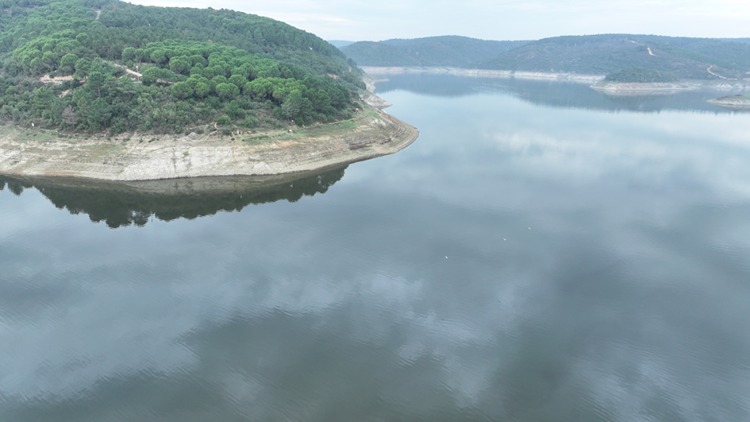
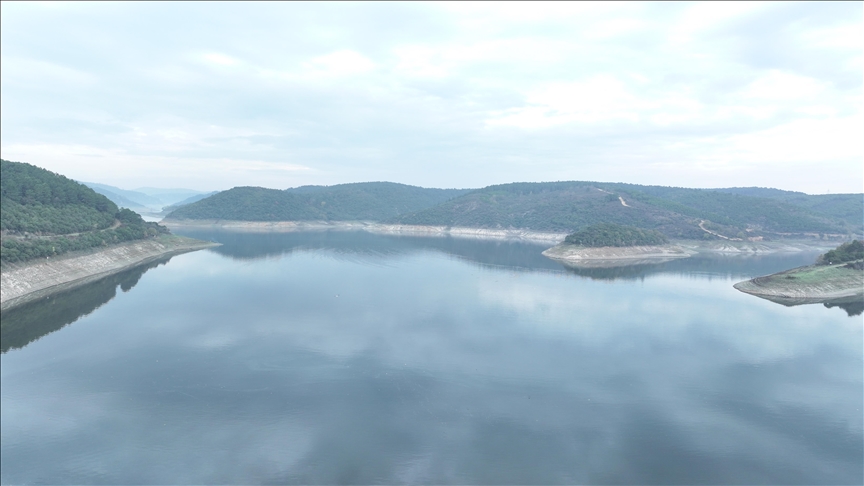
Istanbul’s dam water reserves have approached their lowest level in the past decade. According to the Istanbul Water and Sewerage Administration (İSKİ), the occupancy rate of the dams supplying the city’s water was measured today at only 21.87 percent — a figure that indicates a sharp decrease compared to previous years.
Data show that the water level in the dams, which had risen to over 81 percent at the end of April, has steadily declined over the past seven months due to hot weather and increased consumption, and is now at the second-lowest level in the last ten years. The current volume of water stored in the dams is estimated at about 189 million cubic meters, while Istanbul’s daily water consumption is nearly 3 million cubic meters. This means that the existing reserves can only meet the city’s needs for about two months.
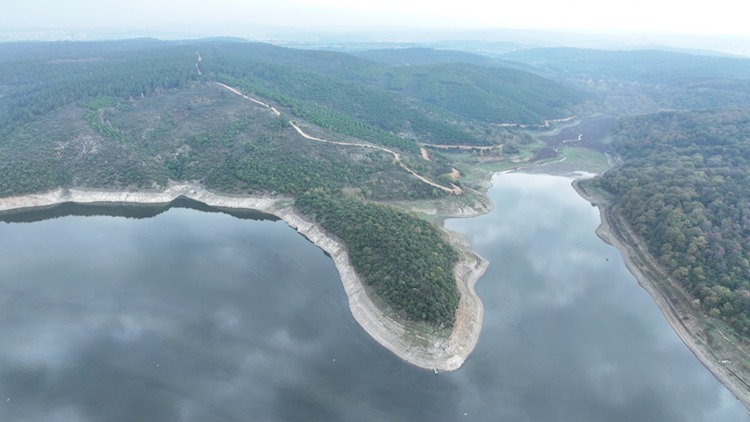
Professor Hüseyin Toros, faculty member at Istanbul Technical University (ITU), noted the beginning of the rainy season and stated that recent precipitation has somewhat slowed the rate of decline in dam water levels. He emphasized that December, January, and February are traditionally the rainiest months in Istanbul and could help offset part of the water shortage. However, he warned that even if the dams were filled to capacity, the storage volume would not be sufficient to meet the city’s annual demand, and serious policies on water conservation and consumption management must be developed.
Toros identified reducing per capita daily water use from 200 liters to 100 liters as a necessary goal and suggested that a progressive pricing policy should be implemented to encourage citizens to save more. According to him, such a policy would not only ease pressure on resources but also foster the development of water-saving technologies.