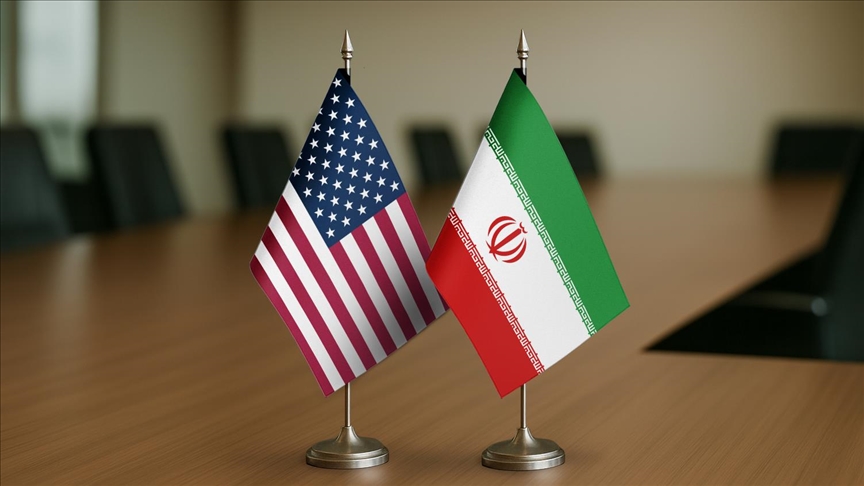
Diplomacy and Deterrence: Two Sides of the Iran-US Negotiating Table
Despite the first round of indirect talks between Iran and the United States being held in Muscat on February 6, Iranian experts believe that tensions between the two countries have not only subsided, but—given Donald Trump’s threatening remarks, Washington’s increased military presence in the region, and the American negotiating team’s visit to the USS Abraham Lincoln aircraft carrier—the military option remains on the table.
Hamed Roshan Cheshm, faculty member at Islamic Azad University and an expert on West Asian strategic affairs, takes a strategic view of the negotiation process and warns that the U.S. scenario goes beyond tactical concessions. He emphasizes: “If the negotiations do not yield the desired result, the scenario of changing Iran’s political and military structure through military strikes or escalating regional conflict will become a serious option for the United States.”
Noting that both sides are seeking to resolve historical issues without crossing their red lines, Roshan Cheshm cites Iran’s fragile economic situation and domestic discontent as major obstacles to any all-out confrontation, stating: “It is clear that achieving favorable outcomes on this path will not be easy.”
He assesses the talks as still in their early stages and considers any definitive judgment premature: “If no particular development affecting the negotiations occurs and the meetings continue, a more accurate assessment can be made.” In his view, America’s behavior is not a tactical maneuver but a strategic design for the multidimensional containment of Iran.