Escalation of Nuclear Tensions Between Iran, Israel, and the U.S.: From Diplomacy to Military Threats
In its latest proposal to Iran, the U.S. demanded a complete halt to uranium enrichment activities, but Tehran rejected the condition, calling it a violation of its red lines. Negotiations, which had stalled due to disagreements over enrichment, are set to resume in Muscat on June 15 under a new plan.
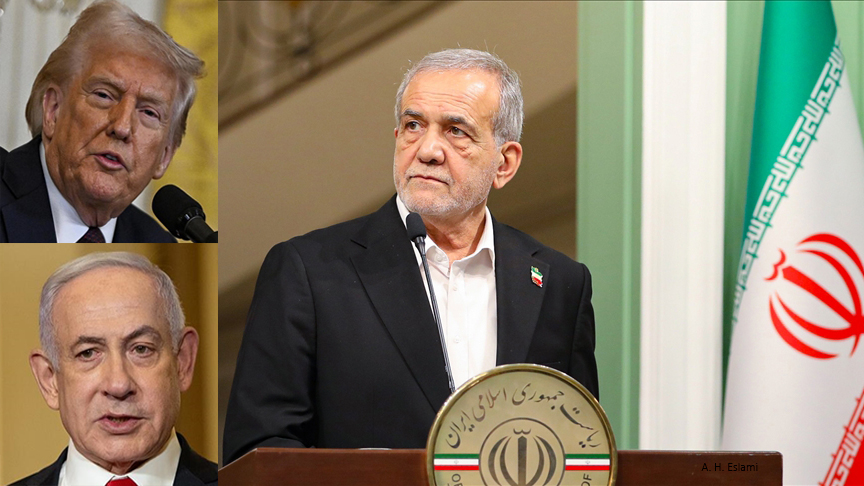
Iranian President Masoud Pezeshkian emphasized that Iran will not yield to U.S. and European pressure to stop peaceful nuclear research. During a meeting with people in Ilam province, he described Washington’s demands to halt uranium enrichment and nuclear research as “bullying,” stating: “We will never accept zeroing out our research and then waiting for their approval to import nuclear materials needed for industry and medicine.”
Military Threats and Countermeasures
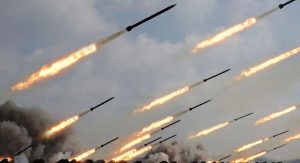
Following urgent reports of a possible Israeli military strike on Iran, tensions in the Middle East have reached unprecedented levels. Sources close to decision-makers in Washington and Tel Aviv indicate that Israel is preparing for military action against Iran’s nuclear facilities.
In response, Tehran swiftly reacted, announcing that Iran’s armed forces are on high alert. A spokesperson for Iran’s Foreign Ministry warned that any hostile action would be met with a “swift and decisive response.”
Simultaneously, the U.S. ordered the evacuation of non-essential personnel from its bases in Iraq and Syria. Analysts see this move as a sign of Washington’s concern over escalating conflict. However, U.S. officials stressed that nuclear talks with Iran will continue as scheduled in Muscat.

Amid these tensions, regional economic indicators have been affected. Global oil prices rose by 3%, while stock values of Middle Eastern companies saw a noticeable decline. Experts warn that continued instability could negatively impact the global economy.
The United Nations held an emergency meeting, urging all parties to avoid actions that could further destabilize the region. UN Secretary-General António Guterres emphasized the need for a peaceful resolution and offered mediation.
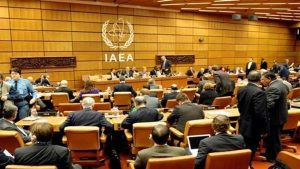
IAEA Board Approves Resolution Against Iran’s Nuclear Program
On June 12, 2025, the IAEA Board of Governors passed a resolution—with 19 votes in favor, 3 against (Russia, China, Burkina Faso), and 11 abstentions—accusing Iran of non-compliance with nuclear safeguards.
Iran’s Foreign Ministry and Atomic Energy Organization jointly condemned the resolution as “political, baseless, and based on fabricated documents by the Zionist regime.” They warned that Iran would take “countermeasures,” including launching a new enrichment facility and replacing advanced centrifuges.