New Developments in Global Trade and Their Impact on Turkey
Following U.S. President Donald Trump’s decision to impose additional tariffs on 182 countries, the world has witnessed significant shifts in trade relations. Initially targeting Mexico, Canada, and China, this measure—aimed at reducing the U.S. budget deficit and balancing trade—quickly expanded to other nations.
By leveraging tariffs as a pressure tool, the U.S. forced China into negotiations, eventually reaching a provisional agreement after initial tensions. This deal not only eased trade friction but also set a precedent for other countries. Subsequently, the U.S. expanded its trade network by securing cooperation from Japan. In exchange for reduced tariffs on Japanese goods, Tokyo opened its market to certain American products, including automobiles and agricultural goods.
The European Union (EU) initially retaliated by drafting counter-tariff lists. However, internal disagreements and concerns over negative consequences eventually pushed Europe toward negotiations. After intensive talks, the two sides reached an agreement under which the EU accepted a 15% U.S. tariff on European goods. Though criticized by some in Europe, the deal prevented further escalation of trade tensions.
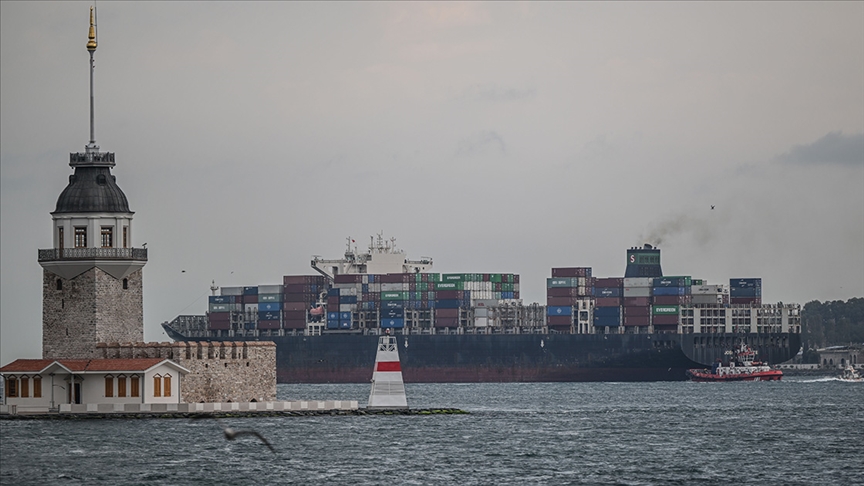
While these developments do not directly involve Turkey, they could have indirect effects on its exports and investments. As Europe tightens restrictions on Chinese goods, Chinese companies are exploring alternatives, including investments in Turkey. This could strengthen Turkey’s position as a bridge between East and West.