PKK Announces End to Armed Struggle and Dissolution of Its Organizational Structure
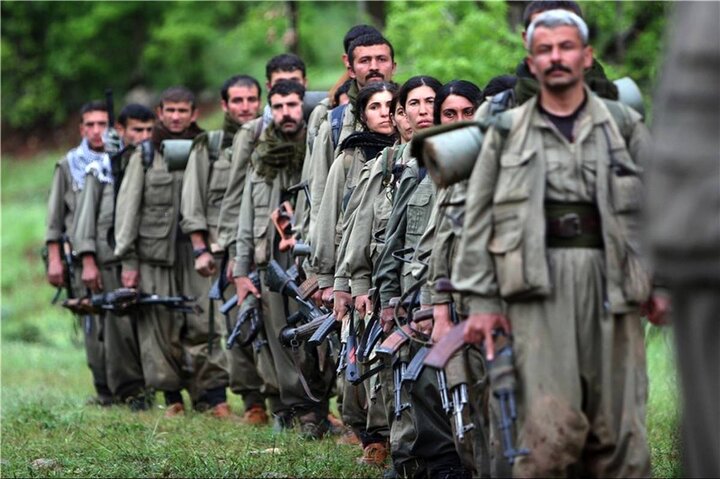
In an official statement released on Tuesday, the PKK announced that it has disbanded its organizational structure and permanently ceased armed resistance. The decision was approved during the 12th Extraordinary Congress held from May 5 to 7. The statement emphasized that this move aims to “establish a foundation for lasting peace” and “achieve a democratic solution to the Kurdish question in Turkey.”
According to the statement, the PKK framed the end of its activities under this name and the shift from armed struggle to political means as the “completion of its historical mission.” The group also urged the Turkish government, parliament, and political parties to facilitate a transition to peace by recognizing the democratic rights of Kurds. The statement acknowledged the role of imprisoned PKK leader Abdullah Öcalan in guiding this decision.
Previously, the pro-Kurdish Peoples’ Democratic Party (HDP), which maintains ties with the PKK, had reported after meetings with Öcalan in İmralı Prison that he supported a strategic shift away from armed conflict. In a message released last February, Öcalan had called for an end to armed struggle and a move toward political resolution.

Reactions to this decision in Turkey have so far been limited. The Ankara government has yet to issue an official response, but the Nationalist Movement Party (MHP), an ally of President Erdoğan, had previously stated that any political dialogue with Kurdish groups would require the “complete dissolution of the PKK.” Meanwhile, the HDP hailed the decision as a historic step toward reducing tensions.
In its statement, the PKK referenced the long-standing conflict between Turkey and the Kurds, calling for a redefinition of their relationship based on a “shared homeland” and “equal citizenship.” The group identified the 1923 Treaty of Lausanne and Turkey’s 1924 Constitution as the starting point of the suppression of Kurdish identity, insisting that a resolution depends on adopting a more democratic framework.
This development comes amid shifting regional dynamics and increasing international pressure on armed groups. The PKK, which launched its armed campaign in the 1970s, remains designated as a terrorist organization by Turkey, the U.S., and several other countries.